Follow @TomVMorris
Retreats
Keynote Talks and Advising
About Tom
Popular Talk Topics
Client Testimonials
Books
Novels
Blog
Contact
ScrapBook
Short Videos
The 7 Cs of Success
The Four Foundations
Plato's Lemonade Stand
The Gift of Uncertainty
The Power of Partnership

Tom Morris

Great Ideas. With Power. And Fun.
Retreats
Keynote Talks and Advising
About Tom
Popular Talk Topics
Client Testimonials
Books
Novels
Blog
Contact
ScrapBook
Short Videos
The 7 Cs of Success
The Four Foundations
Plato's Lemonade Stand
The Gift of Uncertainty
The Power of Partnership
F for Frank.jpg

Zuckerberg and Frankenstein

Facebook. I think there's a parallel. Victor Frankenstein was a brilliant scientist and technologist of his era. He had an audacious goal and attained it, without ever thinking through the possible consequences of his work. He created a monster he couldn't control and walked away from giving the needed guidance and direction, allowing it to do damage, create havoc, and actually end people's lives. He woke up to his responsibilities too late, and finally pursued the monster in a fruitless effort to stop him.

It's almost like the Law of Unintended Consequences had come to life, and it was eight feet tall.

It sounds like a familiar scenario that may be playing out once again in our time, doesn't it? And close by, on social media. Dial "F" for Facebook, or Frankenstein.

Mary Shelley's prescient tale can be found here: https://amzn.to/2kg9okV

PostedApril 12, 2018
AuthorTom Morris
CategoriesAdvice, Life, Philosophy
TagsZukerberg, Mark Zukerberg, FaceBook, Senate Hearings, Social Media, Tom Morris, TomVMorris, Philosophy, Wisdom, Frankenstein, Mary Shelley
Post a comment
Limits.jpg

Limits

We typically talk about limits as if they're always a bad thing. Because of this, I've seen lots of organizations and even corporate and association meetings given names like "Without Limits" or "Limitless" or "No Limits!" It's the ultimate cheerleading motto. Abundance. Infinity. Ultimate Expansiveness. The World is Yours. No, the Entire Universe - And Infinitely Beyond!

The problem is that we all have limits. And if we don't know them and respect them, we get into deep trouble. The great Anglo Saxon epic Beowulf, one of my favorite books, is about a guy who bought the "no limits" hype in his own time, and thought he was immune to failure. And that, ironically, set him up for his ultimate demise.

In Mary Shelley's classic cautionary tale of success and failure, the novel Frankenstein, Dr. Victor Frankenstein doesn't know his limits, either, and a world-class mess ensues.

Consider the oldest human epic story, from 2,700 BC, Gilgamesh. It's only when King Gilgamesh - handsome, powerful, narcissistic, and insatiably hedonistic - discovers the most basic of his limits that he's transformed into a good leader and king.

The wise thing to do is to live creatively within your limits, and at other times, at your limits, or even on them, in something like a high wire existential balancing act. But to pretend they don't exist is both wrong and dangerous. Our limits give us form, and without form, there is no substance, no distinctive, individual existence. We can rhetorically dismiss limits or deny them, but we're impoverished and even imperilled if we don't know and navigate by them.

How about you? What are your limits? How can you recognize them, respect them, even embrace them, and act with them in mind while you, nonetheless, dream big, aim high, and accomplish the seemingly impossible?

I'm a fan of outrageous greatness. I believe in the extraordinary. We should reject and blast through any unhelpful and artificial limits. But I think that knowing our real limits and wisely working within them can alone get us to where we most need to be.

And any philosophy that doesn't see with this is far too ... limited.

PostedJanuary 13, 2015
AuthorTom Morris
CategoriesAdvice, Attitude, Life, Leadership, Wisdom
TagsLimits, Greatness, Abundance, Success, Secrets to Success, Beowulf, Gilgamesh, Frankenstein, Tom Morris, TomVMorris
Post a comment
OldBooks.jpg

The Power of Old Books

If you read what everyone else is reading, you'll tend to think what everyone else is thinking, which can lead you to do what everyone else is doing. And that certainly won't set you apart.

We've all noticed the way best selling-books on business or life can change what's on people's minds and their to-do lists. Fads develop and sweep the world of business, until the next one comes along. And at each stage, at some point, you come to realize that what you thought would give you an advantage and make you stand out has been adopted by all your competition, and your new trick has become the standard used by all, leveling the playing field just when you thought you'd be summiting the mountain.

As C. S. Lewis once said, the only way to break out of the thought patterns of the present and get some truly novel ideas would be either to read the books of the future, or the books of the past. The books of the future are, inconveniently enough, not yet available to us. Therefore, we should read books of the past.

In an era where everyone is trying to make the leap from good to great, there are a few who attain the status of legendary. And that never happens by just doing a little better what everyone else is doing. It requires some revolutionary twist. And how does that get sparked? I've found that it's often people who feed their minds on something different, whose own thinking then becomes interestingly different, and, on occasion, even revolutionary.

So, my advice, on this Sunday morning, is to go find a book of the past to read. Some that have meant a lot to me recently are Gilgamesh, the story of a rich, powerful, handsome king in 2700 BCE who went from being an exploitative tyrant to becoming a good leader, building things to last. How? The old epic tale tells the story. Then, there's Beowulf, a great classic cautionary tale about a powerful achiever and slayer of monsters who made one crucial and all too common mistake that cost him everything. You want to avoid it? Read the book. Or try Frankenstein, Mary Shelley's amazing tale of goal setting gone bad. Who knew that Dr Frankenstein, through a turbulent mix of classic hubris, outsized ambition, self-centeredness and fear, could create a nightmare which he tried to solve, not by doing the right things, but by becoming a motivational speaker!

If you have more time, Don Quixote may be the greatest novel of all time. Is he the ultimate paradigm of the ideal visionary now beloved by the tech world and VCs everywhere, or a stark raving madman to be avoided at all costs? Or look at Moby Dick. If you can stomach all the whale blubber, you get a tale of a captain who is supposed to steer the ship to profits for its owners, but takes it over for his own purposes and ruins everything. Short of time to read?  The great Roman stoic Seneca has some of the greatest advice ever in his letters and essays.

Then, there's the Manual of Epictetus, the Meditations of Marcus Aurelius, and Xenophon's captivating and amazing book on leadership, The Education of Cyrus. 

I could go on. But I have to go read something old. Meanwhile, have a great day.

PostedJune 29, 2014
AuthorTom Morris
Categoriesphilosophy, Performance, Life, Advice
Tagsbooks, competitive advantage, strategy, good to great, legendary results, advice, Gilgamesh, Beowulf, Frankenstein, Don Quixote, Moby Dick, Seneca, CS Lewis
Post a comment
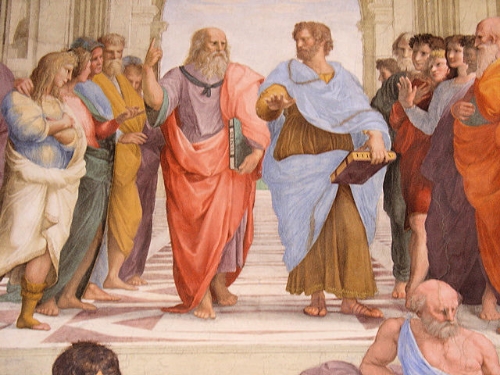
Plato and Aristotle take a walk, as depicted in the famous painting, The School of Athens. The older, otherworldly Plato points up. The younger, earthy Aristotle gestures down. The idealist is barefoot. The realist wears sandals. They both carry boo…

Plato and Aristotle take a walk, as depicted in the famous painting, The School of Athens. The older, otherworldly Plato points up. The younger, earthy Aristotle gestures down. The idealist is barefoot. The realist wears sandals. They both carry books, and are surrounded by many others. Warm sparks, as you might imagine, probably fly.

Who Do You Spark? Who Sparks You?

Socrates taught Plato. Plato Taught Aristotle. Aristotle taught someone pretty important, too - Alexander the Great, but back when he was just Alexander the Average, a teenager needing guidance. Greatness sparks greatness. And it always has.

I had an amazing phone call yesterday with an old friend who is three years into building a business that will help change the world for the better. Yeah, it's in tech. But its all about sparking great things through connecting people well. And she reminded me of something interesting. All new business builders need investment money at the outset, and along the way. But what they need most of all is connections - mentors, people to spark them, and guide them, and hook them up them to others who can reveal what it will take to get to the next level, and maybe make that crucial introduction that will change things like magic. Did you ever read Keith Ferrazzi's book Never Eat Alone? It's a great one on the crucial importance of relationships in business.

Who do you spark? Who do you guide? Sometimes, an act of mentoring takes just minutes, or even seconds, to shoot off a quick email with exactly what your friend or young acquaintance needed to hear, or know. Even the dreamers who are great doers need help.

In 1814, Miss Mary Shelley, only 18 years old, was traveling with a group of friends. They challenged each other to a competition. They'd each write a scary story for their mutual entertainment. She pondered for days what she'd write about, and then had a dream that brought together elements of things that they had all been talking over in their time together. She woke up and wrote it down, a great cautionary tale about setting goals without thinking through their consequences, the novel Frankenstein, that offers wisdom on so many levels. It payed off to be hanging out with the likes of Percy Shelley and Lord Byron. And it payed off for them to be with the likes of her.

Who are your traveling mates? Who do you hang out with? When I left Notre Dame years ago, a lady said to me, "Tom, I'm 50 years old, and I always try to have at least one friend much older than I am, and one much younger. The older friend shows me the way forward. The younger one gives me the energy to get there." And I'm sure the sparks flew back and forth among them all.

Wise words. Who do you spark? Who sparks you? Spark on.

PostedJune 19, 2014
AuthorTom Morris
CategoriesPhilosophy, Performance, Leadership
Tagsmentoring, influence, startups, tech, business, relationships, investment money, guidance, wisdom, networking, philosophy, Plato, Aristotle, Frankenstein, Mary Shelley, Alexander the Great, Tom Morris, The School of Athens
Post a comment

Some things that may be of interest. Click the images below for more!

First up: Tom’s new Silver Anniversary Edition of his hugely popular book on The 7 Cs of Success!

The New Breakthrough Guide to Stoicism for our time.

Tom's new book, out now!
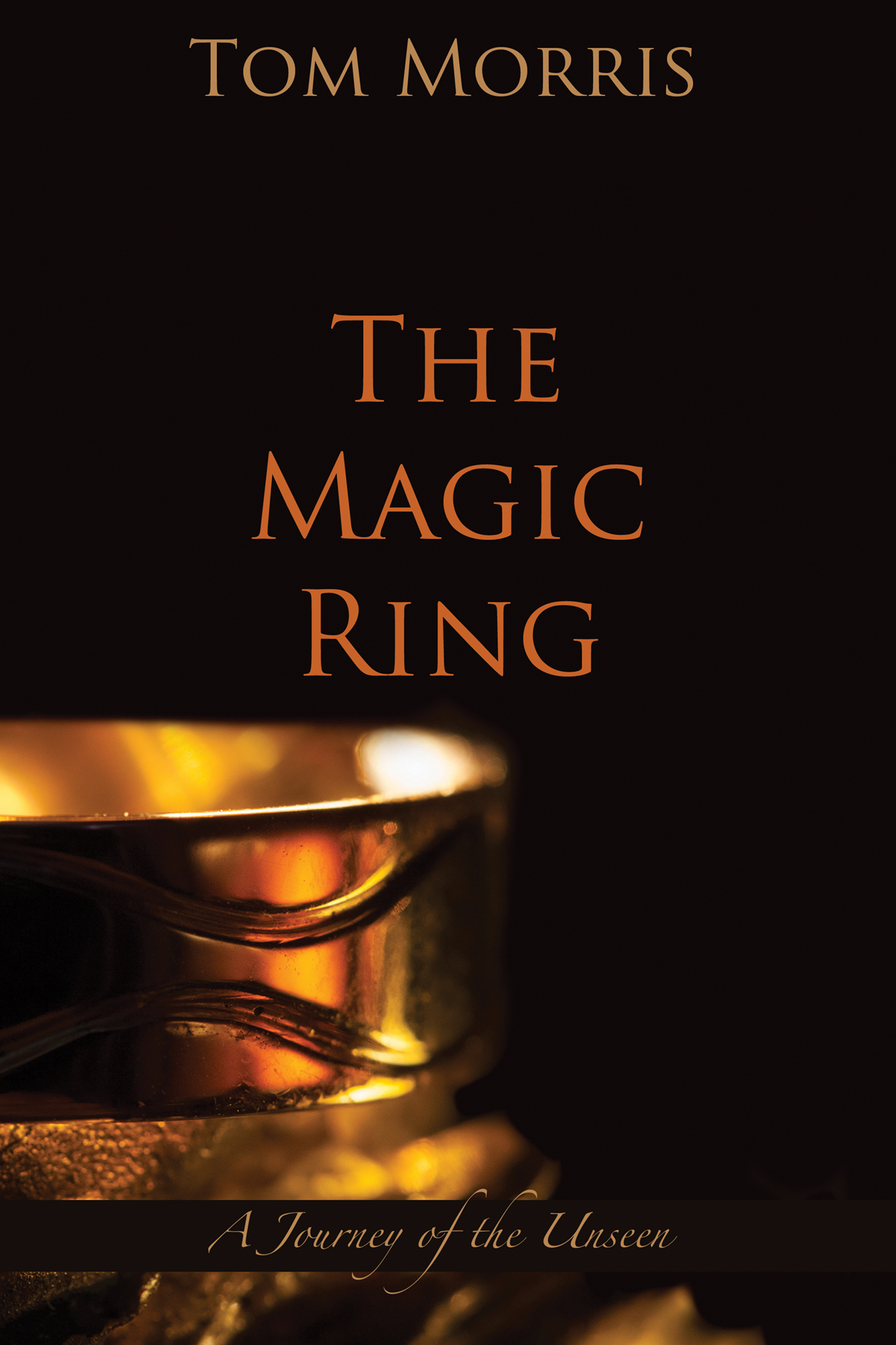
Finally! Volume 7 of the new series of philosophical fiction!

Finally! Volume 7 of the new series of philosophical fiction!

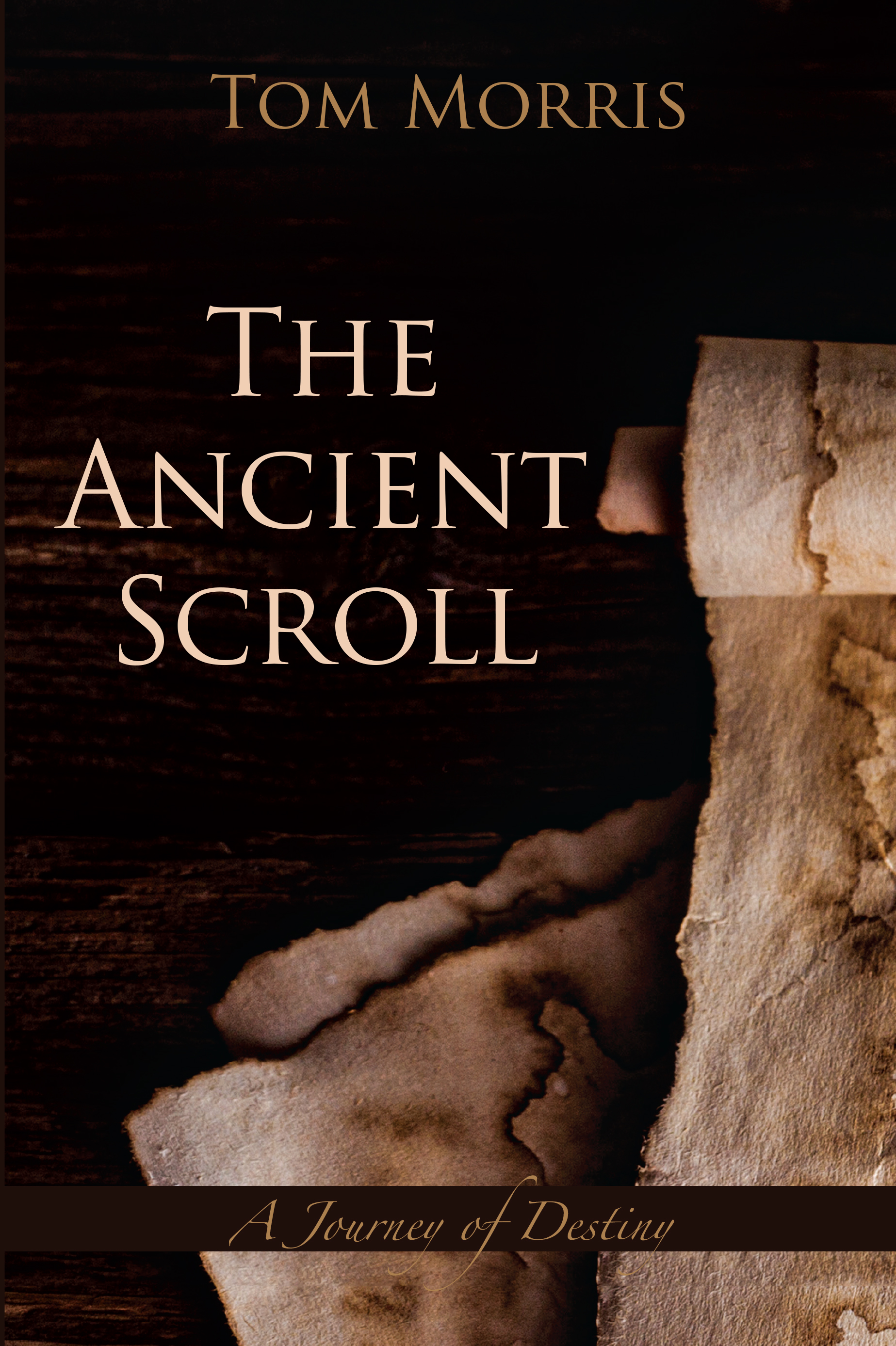
Plato comes alive in a new way!

Plato comes alive in a new way!

On stage in front of a room full of leaders and high achievers from across the globe.

On stage in front of a room full of leaders and high achievers from across the globe.

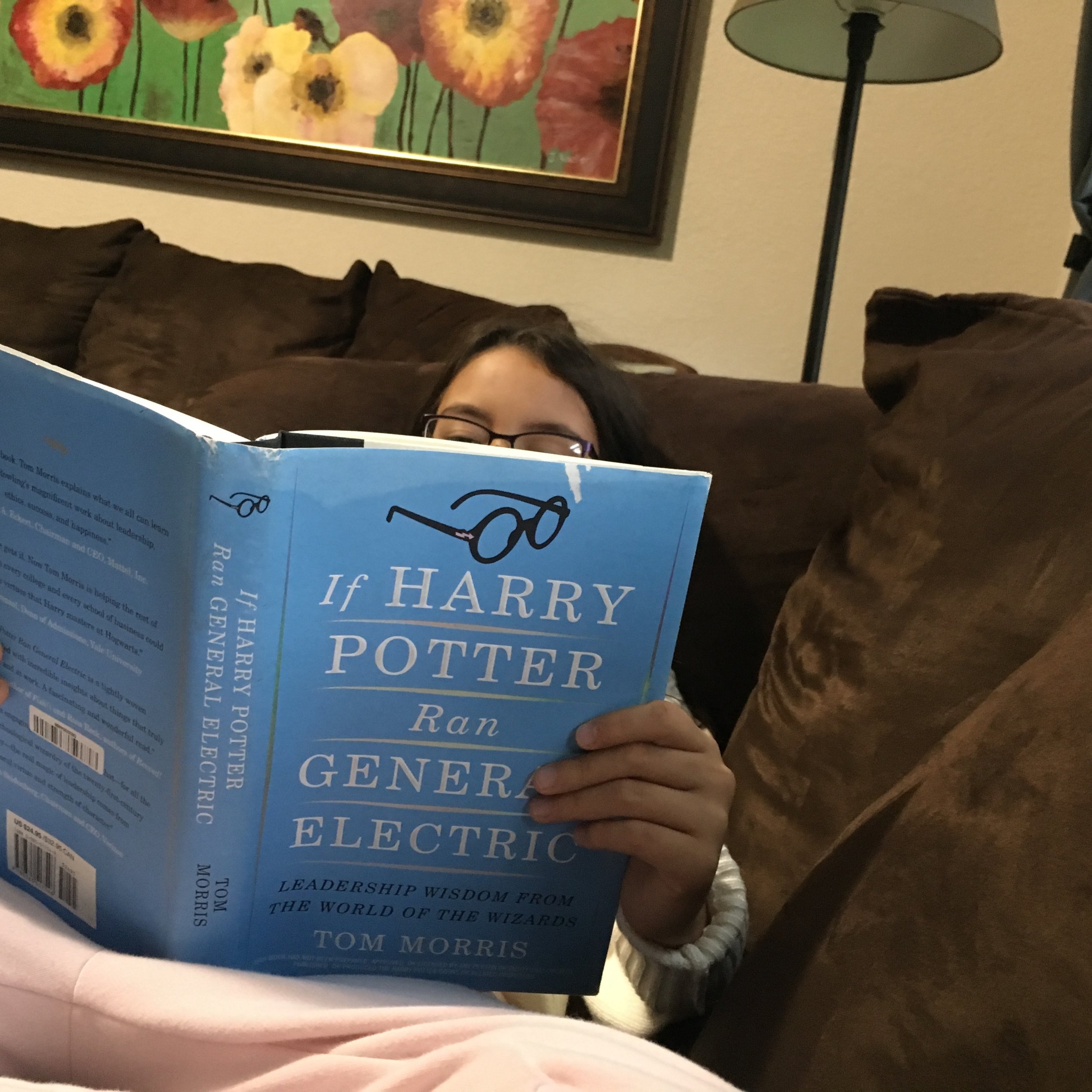
My Favorite Recent Photo: A young lady named Jubilee gets off to a head start in life by diving into some philosophy!

My Favorite Recent Photo: A young lady named Jubilee gets off to a head start in life by diving into some philosophy!

Great new Elizabeth Gilbert book on creative living and the creative experience.

Great new Elizabeth Gilbert book on creative living and the creative experience.

Two minutes on a perspective that can change a business or a life.

So many people have asked to see one of my old Winnie the Pooh TV commercials and I just found one! Here it is:

Long ago and far away, on a Hollywood sound stage, I appeared in two network ads for the wise Pooh, to promote his adventures on Disney Home Videos. For two years, I was The National Spokesman for that most philosophical bear. This is one of the ads. I had a bad case of the flu but I hope you can't tell. A-Choo!

One of my newest talk topics is "Plato's Lemonade Stand: Stirring Change into Something Great." Based on the old adage, "When life hands you lemons, make lemonade," this talk is about how to do exactly that. Inquire for my availability through the c…

One of my newest talk topics is "Plato's Lemonade Stand: Stirring Change into Something Great." Based on the old adage, "When life hands you lemons, make lemonade," this talk is about how to do exactly that. Inquire for my availability through the contact page above! Let's stir something up!

Above is a short video on finding fulfillment in anything you do, that was taped a few years ago. I hope you enjoy it!