Follow @TomVMorris
Retreats
Keynote Talks and Advising
About Tom
Popular Talk Topics
Client Testimonials
Books
Novels
Blog
Contact
ScrapBook
Short Videos
The 7 Cs of Success
The Four Foundations
Plato's Lemonade Stand
The Gift of Uncertainty
The Power of Partnership

Tom Morris

Great Ideas. With Power. And Fun.
Retreats
Keynote Talks and Advising
About Tom
Popular Talk Topics
Client Testimonials
Books
Novels
Blog
Contact
ScrapBook
Short Videos
The 7 Cs of Success
The Four Foundations
Plato's Lemonade Stand
The Gift of Uncertainty
The Power of Partnership
PeopleAtTable.jpg

Desire Beats Talent Any Time

"Desire beats talent any time." Mary Wells - Famous Talented Advertising Executive.

And this is my take:

Talent is potential. Desire is an actualizer of that potential.

Skill is potential. Passion is an actualizer of that potential.

Knowledge is potential. Vision is an actualizer of that potential.

Relationship is potential. Leadership is an actualizer of that potential.

Talent, skill, knowledge, and relationship are inert things without desire, passion, vision, and leadership.

Desire, passion, vision, and leadership are empty things without talent, skill, knowledge, and relationship.

There is a yin and yang with what we can call potentiators and actuators. Cultivate both sides. Start where you are, and then grow what you need.

Oh, and by the way, after great initial success working for someone else, Mary Wells, whom I quoted above, created her own firm of Wells, Rich, Greene, and with great talent and desire they went on to have such iconic ad hits as

  • Plop plop, fizz fizz - Alka-Seltzer
  • I can't believe I ate the whole thing (winner of the 1971 Clio Award) - Alka-Seltzer
  • Try it, you'll like it - Alka-Seltzer
  • I ♥ New York
  • Trust the Midas touch
  • At Ford, Quality is Job 1
  • Flick your Bic
  • Raise your hand if you're Sure - Sure deodorant
  • Friends don't let friends drive drunk  - Public Service Announcement

Friends don't let friends allow their talent, skill, knowledge, or relationship potential to lie fallow. 

Potential begs to be actualized. Actualize some today.

PostedOctober 30, 2014
AuthorTom Morris
CategoriesAdvice, Attitude, Business, Leadership, Life
TagsTalent, Desire, Skill, Passion, Knowledge, Vision, Relationships, Leadership, Success, Achievement, Teams, TomVMorris, Tom Morris, Mary Wells
Post a comment
lear.jpg

Norman Lear: A Study in Serendipity

First, I want to recommend to everyone Norman Lear's great new autobiography, Even This I Get to Experience, which is not just about one extremely successful life, but is about so much more in addition - family, childhood, choices, struggles, the rise of modern television, Hollywood, movies, politics, and what it means to be an American, in a time when most have forgotten.

I met Norman when I was 39 and he was 69. I was still a professor at Notre Dame, focusing on philosophy of religion, and he was doing a new TV comedy that would broach religious issues, a show called Sunday Dinner. I watched the first episode and dialed the Los Angeles Operator and asked for Act III Communications, the name of the production company I'd seen in the credits at the end of the show. She said, "There are about 16 numbers." I said, "Can you give me the first 3?" She did, and I left 3 voice mail messages about that first show. 

A few days later, I came to my office after teaching Philosophy 101, and there were some voice mail messages on my phone. A student wanted to get into my class. My wife asked me to pick up milk and bread on my way home, and a voice said, "Tom! This is Norman Lear! Here's my home phone number. Call me!" And then he left the number.

This was the man who had created and produced All in the Family - the TV show that my family watched every week and argued about when I was growing up. Then he created Sanford and Sons, The Jeffersons, One Day at a Time, Good Times, Maude, Mary Hartman Mary Hartman, and Fernwood2night. The string of hits in the 1970s was unprecedented in television history. Then he brought such movies to the world as This Is Spinal Tap, Stand By Me, The Princess Bride and Fried Green Tomatoes. I called him, and we had a great time talking. Soon, we were sending each other books and videos and I was at his vacation house in Vermont, a farm once owned by Robert Frost, and then the abstract artist Kenneth Noland, before Lear bought it. Then he came to see me speak in Las Vegas and Montecito, and I visited his home in LA. Over the days and months and years, we talked about possible TV shows and books and talks and ideas for making the world a better place.

And, even though he told me lots of stories about his life, I never knew how many failures he had on his way to success, and even after his biggest achievements. He had many. He lived through daunting struggles, nearly overwhelming challenges, and the disappointments we all face. And they never stopped him, or even really slowed him down.

But the thing about this new book that surprised me the most is how often in his life serendipity, or amazing good luck, seemed to smile on him. Astounding coincidences of timing would lead to many of the most wonderful things in his life. I've written all through the book's margins expressions like "Kismet! Timing!" And I asked myself: How could one man be so lucky?

And when I thought about it more, I realized that it was always his decisions to keep moving, to try things, to meet people, to be open to something new, to visit someone, to make a call, and to always do whatever task was in front of his with total passion and excellence that put him in the position for extraordinary luck to strike. Nothing was too small for him to approach it inventively. Nothing was too big for him to decide to give it a try. It was his day to day decisions that put him in the path of serendipity.

Our ordinary decisions position us for the extraordinary to occur. Or they make it impossible for luck to find us at all.

What are you doing to invite serendipity into your life? I called Norman Lear's production company out of the blue one day, many years ago, and now I'm 62 and he's 92 and we still talk now and then, and I get inspired by his continued energy and intellect. Go read his book and experience your own inspiration! Amazing things await.

PostedOctober 29, 2014
AuthorTom Morris
CategoriesLife, Business, Advice, Wisdom
TagsNorman Lear, Even This I Get to Experience, All in the Family, Jeffersons, Good Times, Maude, Princess Bride, This is Spinal Tap, Tom Morris, TomVMorris, Stand By Me, Act III, Wisdom, Luck, Serendipity, Life
Post a comment
leap.jpg

Sometimes, Leap

"Don't be afraid to take a big step if one is indicated. You can't cross a chasm in two small jumps." David Lloyd George.

This is a nice image that I've long loved. You can't cross a broad chasm in two small jumps. Sometimes, you have to take a huge step, and sometimes a giant leap.

If you're normally a small stepper, that can be hard. But some things can't be accomplished any other way.

There are some big leaps in life that don't make sense. And there are others that do.

How can we know the difference? Discernment. Wisdom. Intuition. Listening.

What are your values? What do you love? What matters to you?

What do your dreams tell you? What is your heart saying?

If you're led to the edge of something new, and it's something very good, and a leap needs to be made, and your heart is nudging you forward, then leap!

PostedOctober 24, 2014
AuthorTom Morris
CategoriesAdvice, Business, Life, Performance, Wisdom
TagsUncertainty, Faith, Courage, adventure, Philosophy, Wisdom, Tom Morris
Post a comment
7.jpg

Seven Conditions for Success

Anyone reading this blog post may have heard me speak at some point on what the great philosophers said it takes for success in whatever we do. My claim is simple. 

From Plato and Aristotle to the present day, the wisest people who have ever thought about success and excellence have left us bits and pieces of powerful advice for attaining true success in our lives. I've put them all together as this framework of seven universal conditions. For the most deeply satisfying and sustainable forms of success in our lives, we need to bring into any situation, relationship, or enterprise:

(C1) A clear CONCEPTION of what we want, a vivid vision, a goal clearly imagined.

(C2) A strong CONFIDENCE that we can attain that goal.

(C3) A focused CONCENTRATION on what it takes to reach the goal.

(C4) A stubborn CONSISTENCY in pursuing our vision.

(C5) An emotional COMMITMENT to the importance of what we're doing.

(C6) A good CHARACTER to guide us and keep us on a proper course.

(C7) A CAPACITY TO ENJOY the process along the way.

I was talking to a friend yesterday, and he mentioned Stephen Covey's Seven Habits of Highly Effective People, quoting one of the habits, "Begin with the end in mind." I thought it might be helpful to reflect briefly on the difference between Covey's framework and mine.

I once directed a weekend retreat with Covey and found him to be a sweet and kind person, as well as very thoughtful. I had great fun with him. And I admire the results of his work. But, that being said, on to the comparison. First, I'll just list his seven habits, as he does, in the form of recommendations or imperatives:

Habit 1: Be proactive.

Habit 2: Begin with the end in view.

Habit 3: Put first things first.

Habit 4: Think Win/Win

Habit 5: Seek first to understand, then to be understood.

Habit 6: Synergize

Habit 7: Sharpen the saw.

A few comments. Habit (1) is about taking initiative, always good, and included in the application of my C3 - the focused concentration condition.

Habit (2) is a brief version of my C1 (the first condition of the 7Cs), the condition that tells us that as we begin to work toward any goal, we need a clear conception of what we want to result from our activity, and that we need to make our conception vivid and rooted in the imagination, aspects of goal setting that Covey doesn't explicitly address in his framework. 

Habit (3), like (1), is included in my understanding of C3, the focused concentration condition, as developed in True Success.  

Habits (4), (5), and (6) come into play in relationships, in negotiations, and in work situations of joint endeavor, but not always in the successful meeting of individual, personal challenges. They are very good advice for the circumstances in which they apply, and are, in those circumstances, applications of C3, concentrating on what it takes, or C4, the consistency condition, or C6, the character condition, but they are not themselves, in my understanding, strictly universal conditions for success. Some things can be, and sometimes must be, properly done by one person alone, and for some of these private matters, a strategy of synergism need not necessarily play a role. And where not more than one person is involved, the most basic requirements for win/win thinking may not even arise. Obviously, there can't be two winners except where there are at least two players.

Habit (7) has to do with personal renewal, growth, continuing education and skill development, which is always a good idea. But, again, there are some forms of personal challenge, relationship goals, and even professional demands where, in meeting the demand, or accomplishing the goal, it does not necessarily come into play. A very commendable activity, even one necessary for a full life, does not necessarily count as one of the fundamental conditions I'm focusing in on as crucial for all forms of success. Where it does come into play, it falls under my C3.

Even more noteworthy, my conditions C2 (Confidence), C4 (Consistency), C5 (Commitment), and C7 (the Capacity to Enjoy the Process) are nowhere explicitly captured in this framework. I say this not to claim that Covey's important schema is incomplete in any way, but just to point out that it's different in design and intent from my framework of seven conditions. Although there are important fundamental similarities and overlaps, The 7Cs of Success, as a framework or tool kit of ideas, is significantly different from The Seven Habits of Highly Effective People. 

For more on the 7 Cs, see True Success, The Art of Achievement, and the big new ebook, The 7 Cs of Success, which reveals how these tools were understood by some of the greatest practical philosophers throughout the centuries and around the world. For Covey's original book, click here, The Seven Habits of Highly Successful People.

PostedOctober 23, 2014
AuthorTom Morris
CategoriesAdvice, Business, Leadership, Life, Performance, Wisdom
TagsStephen Covey, Tom Morris, TomVMorris, True Success, The Art of Achievement, The 7 Cs of Success, The Seven Habits of Highly Effective People, Success
Post a comment
Meditation.jpg

Greatness and the Spirit

"Greatness is a spiritual condition." Matthew Arnold.

Matthew Arnold was an insightful student of philosophy, literature, and theology in the nineteenth century. Some of his essays are of timeless value. He saw deeply into the nature of greatness of every kind. The outer is always a result of the inner. Physical greatness, intellectual greatness, or greatness of any kind is ultimately a matter of the spirit. Greatness in any form is a spiritual condition. To think otherwise is to misunderstand the fount of all sustainable excellence.

How is the spirit of your enterprise? Of your company? Of your family? How is your own spirit? If you don't tend the inner garden, the outer fruit will not grow and ripen. 

Set aside some time to examine the spiritual state of your life and work. And identify one thing that you can do for your own spiritual health. Then begin to do it. 

Today.

PostedOctober 19, 2014
AuthorTom Morris
CategoriesAdvice, Attitude, Business, Life, Performance, Wisdom
TagsGreatness, Work, Life, Business, Excellence, Tom Morris, Matthew Arnold, TomVMorris
Post a comment
Commitment.jpg

Something New on Goals and Values

I was with the top management of a company the other day, discussing how to have continued success in the midst of chaos and change. We were using my framework of The 7 Cs of Success to tackle the issues. One topic that came up was how to prioritize when too much is happening at once and apparent chaos prevails.

The first point worth mentioning is this: Chaos creates confusion. Clarity begins to establish control. As we discussed this idea, we dwelt a bit on the first of my seven conditions of success, the one saying that, in any challenge, we need:

C1: A clear CONCEPTION of what we want, a vivid vision, a goal clearly imagined.

How do we get clear goals? Where do they come from? I pointed out that we often think we have a goal when all we have is a fantasy, a figment of the imagination floating in and out of our conscious minds. And sometimes, we think we have a goal when we have something stronger than a fantasy, but it's merely a desire, an inclination of the appetites, as philosophers have said. A goal can be suggested by a fantasy or a desire, but it isn't the same as either of these other things. Then what is it? It's a commitment of the will.

A commitment is an interesting thing. It's a decision and a new path of action. It embodies focus, conviction, and determination. If you don't have new actions in your life, or in your business ventures, you don't yet have a new goal. You may think you do, but unless you've made specific, concrete commitments, you don't - at least, yet.

We often speak of goals and values. What, then, is a value? You may say, "I value my family" or "I value growth" or "We value customer service," but what does that mean? A value isn't just an affirmation or a mild belief that something is good. A value is also a commitment of the will. If you don't have a real commitment to something, you don't have that thing as a value. You may like your family a lot, you may enjoy growth immensely, or see the need for good customer service, but unless you're committed to these things, they aren't really values for you.

So a value is a commitment of the will. And a goal is a commitment of the will. Then, what's the difference? It's simple. A value is a general commitment. A goal is more specific. Both are present and future oriented, and enriched by the past. But one is broad and the other is narrow. In fact, it's our values that best suggest, support, and guide our goals.

Everyone in a business needs to get as clear as possible on what the values of the company are. Only that can reliably lead to the right goals. Each of us needs to do the same in our personal lives. What are your values? What proper goals do they suggest, going forward?

In times of chaos and complexity, we can prioritize well only if we're clear on our goals and values. That clarity can create a new form of control and a personal command that's otherwise impossible to attain.

So think a bit on what your foundational commitments are, and about what your specific goals are.

Today.


PostedOctober 16, 2014
AuthorTom Morris
CategoriesAdvice, Business, Leadership, Life, Performance, Wisdom
Tagsgoals, values, chaos, success, performance, commitment, business, Tom Morris, TomVMorris
Post a comment
TheoryA.jpg

First Thoughts

First thoughts, initial ideas, can be great, or they can be dangerous. Often, we find ourselves in a situation where we're trying to make sense of something and figure out what to do next. The first thing that occurs to us can sometimes be right, as a deliverance of intuition or instinct, or as a gift of the unconscious mind. But there are other times when our first thoughts are due to fear, or habit, or some other extraneous factor that actually gets in the way of discovering the truth.

I was speaking yesterday at the downtown Hyatt Regency in Indianapolis, a great urban hotel. And right before I was to give my presentation inside the Regency Ballroom, I was wandering the nearby hallway and came across a sign. I took out my iPhone and snapped it, posting the photo to start this blog, above. Theory A.

And then I walked a few feet and saw the following, of course.

TheoryB.jpg

Every philosopher likes to initially have more than one theory available, when attempting to understand something new. The same thing holds true in business, and even in our personal lives. Theory A. Theory B. Sometimes, even more of a selection of possibilities helps. What's important is not to rush to judgment. Don't let your first thought necessarily dictate all subsequent rumination. Reconsider. Open up to the possibility of something new. We can always be learning. It may be that your second, or third idea is the best, and the one you need to run with. Test whatever comes to mind. Then act.

And even when you find that your first theory was right, your exploration of other possibilities will help you understand how others might think about the situation, and might even give you clues into how to implement your favored approach. What's important is to broaden your thinking and keep open to something new.

Try this if you can, in any new situation you might face. Whenever Theory A occurs to you, conjure a Theory B, to help you think better about it all. Then choose which is best.

Keep your mind open and flexible, always able to contemplate the new.

Today.

Or Tomorrow.

PostedOctober 15, 2014
AuthorTom Morris
CategoriesAdvice, Business, Performance, Philosophy, Wisdom
Tagsunderstanding, theories, ideas, thinking, openness, philosophy, wisdom
Post a comment
Blake.jpg

Energy is Eternal Delight

"Energy is eternal delight." William Blake.

Printer, painter, poet and mystic, William Blake knew what he was talking about. Samuel Smiles once praised energy and described its place in life like this: “It is energy - the central element of which is will - that produces the miracle of enthusiasm in all ages. Everywhere it is the mainspring of what is called force of character, and the sustaining power of all great action.”

Do you have that experience of eternal delight that Blake refers to, the motivating enthusiasm that Smiles so values?  If the answer is "no" or "rarely" then you should ask yourself some questions.

Are you well rested? Do you eat right? Do you exercize every day? Do you meditate or pray? Those are what philosophers call facilitating but not sufficient conditions for that inner magic that moves the world. The most important ingredient is a cause to believe in. Deeply.

Are you doing something you really believe in? If not, why not? Find a way to get a big picture for your work. Connect it to the meaning of life. Connect it to something noble. Or change what you do to something you can view in this way. Then you’ll experience the energy that's always at the heart of great endeavors. 

So get some rest. Eat right. Move around. Calm your spirit. And believe. Then surf on the good energy that can flow though you. 

Today.

PostedOctober 14, 2014
AuthorTom Morris
CategoriesAdvice, Attitude, Business, Life, Performance, Wisdom
TagsWilliam Blake, Samuel Smiles, Tom Morris, TomVMorris, energys, enthusiasm, passion, action, success, achievement
Post a comment
Broadmoor.jpg

The Joy of the Journey

There’s a special joy in doing what you’re meant to do. 

This week, so far, I’ve travelled to Colorado Springs for a talk at the great Broadmoor hotel, speaking to 450 business owners. The hotel itself is spectacular, and I always seem to be put in the West Building, which is quiet and beautiful, with serene views outside the window of my suite. To get to the main building, where I had dinner last night with one of the top speaking agents in the country, a really great individual who also has an unexpected and interesting background as a songwriter, with tunes, so far, in eighteen films, I had to walk on a path bisecting a scenic lake, mounting a gently sloping footbridge in the middle, surrounded by mountains. The temperature was perfect. The evening was magical. 

Who knew that being a freelance philosopher could put me in so many wonderful places, where the glories of nature are on such magnificent display? And the people I meet along the way enrich my life immensely.

And then came the talk, the speech for which I had made the journey. I had forty minutes, a relatively short time these days for philosophy, but it was ethereal. We pondered, we analyzed, we laughed, and we explored the wisdom of the ages on one of the most important topics of all - how each of us can have our best impact on the world in the short span of years that we have, and how we can have true success, deeply satisfying and sustainable success that fulfills us, in everything we do.

It was a treat to represent the great philosophers, east and west, and to add my own interpretive frameworks. And everyone who was there went away with a laminated wallet card on the ideas we talked about. I’ve given out these cards on each of my topics, for more than twenty years. I’ve probably handed out millions as little gifts. And as a result, people stop me in airports and hotels, and in other places, and pull out their wallets and show me the card that they say they got six or nine or twelve years ago at a talk they heard me give and still remember. What a kick! Those little laminated wallet cards are almost the paper version of tweets, but they last, and can be carried about and kept and referred to again and again. The way tweets stand to blogs, these little cards stand to books, and have a special magic all their own.

My talk at the Broadmoor was, as such a thing almost always is, a joy, What Emerson would have called an ecstasy, and an honor. In the whirlwind of time allowed on a busy meeting day, we ranged through space and time, appropriating the insights of the ages for our own lives, and thinking anew about what we want from our time, and our efforts. 

It’s always a new experience for me. I never memorize talks and hit the play button in front of an audience. I do like the great jazz guys and improvise around a framework. I surprise myself. I sometimes say things I’ve never even thought before, but in that moment, I realize a new truth and pass it on to others.

Now, I’ll have two days at home, and then a quick trip to Florida, to philosophize again, for a small group of executives who make sure the lights stay on at such places as Google and NASA, operations where power reliability is crucial. We’ll get to talk about the life wisdom that’s also powerful and always reliable. And that will keep the lights on for them, as it does for me.

I tell you this today in hopes that you are also, in your own way, participating in the joy of living your proper mission and adventure. And if you haven’t quite found that yet, let me encourage you that it awaits you and can be both lived and loved.

So examine your own experience. You’re here to do great things, and to have great joys. I want that for you.

Today.

PostedOctober 8, 2014
AuthorTom Morris
CategoriesAdvice, Attitude, Business, Life, Philosophy, Wisdom
TagsWork, joy, meaning, purpose, adventure, Journey, life, happiness, Tom Morris, Emerson, TomVMorris, The Broadmoor
Post a comment
CarsGarage.jpg

Success and Toil. Wait. Toil?

"Success, remember, is the result of toil." Sophocles: Very Successful Greek Playwright.

It’s not just who you know. And it’s not just the luck of the draw. The wisest people have always acknowledged that success ultimately comes from hard work. First, the mental work necessary to establish an appropriate goal, along with a planned path to that goal, and then the ongoing work, mental and physical, necessary to implement that plan consistently yet adaptively in pursuit of your goal.

The modern paradigm of success tends to revolve around the apparent magic of the right idea galvanizing the right people at the right time. Before you know it, there’s an investor and a startup company, then suddenly an IPO, and everybody’s buying expensive new cars to fill up the 6 garage bays in their recently purchased mansions. But behind nearly every tech startup magic story in modern times, there's a tremendous amount of that ancient activity: toil. 

The lubricant of success is the oil of toil. It always has been. It always will be.

There's no way around it. You may one day win a lottery without it, but you’ll never enjoy any form of true success except as the result of it. But that’s no problem. Toil and pride go side by side. Yeah, it rhymes. Say it. Sing it. And remember it.

Today.

PostedOctober 4, 2014
AuthorTom Morris
CategoriesAdvice, Business, Life, Performance, Wisdom
TagsToil, hard work, success, relationships, goals, planning, philosophy, Tom Morris, TomVMorris
Post a comment
SewingSeed.jpg

Little Things, Habit, and Life

"Sow an act and you reap a habit, Sow a habit and you reap a character, Sow a character and you reap a life." Statement by Charles Reade.

“Just this one time won’t hurt anything.” Statement by Almost Everyone Else.

How often do we use this reasoning, The-Insignificance-of-One-Time? Well, here’s the news from ancient times: Little things add up. One deed is never insignificant. 

This is bad news for bad actions, good news for the good. We're always in a state of becoming. Every decision, action, or reaction, every thought we have or emotion we feel sows seeds for the future. Anything we do now will make it easier to go do likewise in the future. And as the great diagnostician of human character, Montaigne, once said, “Habit is second nature.” The bad exception thus infects us. But the good effort grows in us.

Positive actions, however difficult, pave the way to a better future. Our actions create our character, and our character creates our destiny. The ancient philosopher Heraclitus proclaimed that “Character is destiny.” And he was right. Do something about your destiny today. In some little way, with some decision or act of initiative, however small, build toward the future you desire for yourself and those you love. 

However hard the right thing to do might feel, it will create a tendency that will carry you on more powerfully toward the future you genuinely want. So remember that.

Today.

PostedOctober 3, 2014
AuthorTom Morris
CategoriesLeadership, Business, Advice, Life, Wisdom
TagsHabit, Little Things, Decisions, Actions, Character, Charles Reede, Tom Morris, TomVMorris, Wisdom, Philosophy
Post a comment
DropsofWater.jpg

The Near Magic of Persistence

"Great works are performed, not by strength, but by perseverance." Samuel Johnson.

Eastern sages love the dynamic properties of water. What happens when water, the softest of elements, contends with stone, the hardest of elements? Looking at the manifest properties of each, most of us would place our bets on the stone. 

Water drops. A stone is in the way. The stone stops the water and deflects its path. It continues to drop. And it keeps bouncing off. Until one day there is a roughness, then a depression, and then a hole in the stone and the water finally has its way. 

This is an image of the power of persistence, otherwise known as perseverance. Don’t give up. Whatever your dream is, whatever your goal is, use the dynamic powers of perseverence to overcome the obstacle that stands in your way, even the one that right now seems as hard as stone. 

Do you need the help of another person? The same strategy applies. Henry Wadsworth Longfellow once offered these encouraging words: “Perseverence is a great element of success. If you only knock long enough and loud enough at the gate, you are sure to wake somebody up.”

So: Get knocking. Or dripping away.

Today.

PostedSeptember 30, 2014
AuthorTom Morris
CategoriesAdvice, Life, Business, Wisdom
Tagswater, perseverance, persistence, hard work, trying, success, achievement, philosophy, Tom Morris
Post a comment
AriannaKobe.jpg

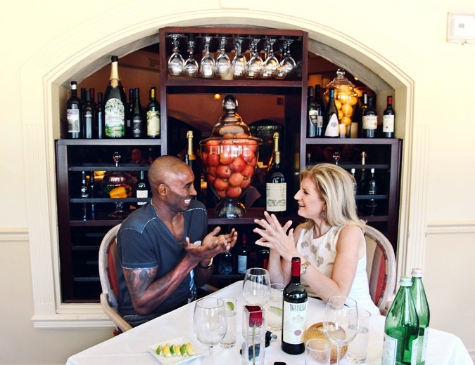
Sunday Bonus: Kobe and Arianna on Success

There's a remarkable conversation in the New York Times today. The writer Philip Galanes sits down with Kobe Bryant, thought by many to be our greatest active basketball player, and Arianna Huffington, founder of the Huffington Post and bestselling author, to talk about their struggles and successes, difficulties and coping mechanisms. I recommend it heartily. It's chock full of great insights and reminders. 

For example, I often speak on the topic of True Success - what the great philosophers have said that it takes for satisfying and sustainable achievement in any challenge. I've isolated seven universal conditions for success, from the world's deepest wisdom literature through the centuries, and tested these conditions repeatedly in the lives of contemporary people. I call them The 7 Cs of Success (as in "Seven Seas"). In the briefest statement, in any major challenge, we need: a clear Conception, a strong Confidence, a focussed Concentration, a stubborn Consistency, an emotional Commitment, a good Character, and a Capacity to Enjoy the Process along the way.

Kobe and Arianna speak of, or allude to, many of these tools for achievement in their fascinating exchange. The two have known each other for a while, because Kobe often seeks out highly successful people in other fields, hoping to enhance his own understanding of achievement.

At one point, we get, for example, relevant to my C7 - a Capacity to Enjoy the Process and my own repeated insistence that life is supposed to be a series of adventures, of journeys we enjoy as we move toward our goals:

KB: My heroes growing up, the Jordans, the Bill Russells, the Magic Johnsons, they all won multiple times. I wanted more. But it wasn't just the result. It was the journey to get there.

PG: You like the process?

KB: I love the process. The result comes later.

AH: He talks the same way about getting back to the game after injuries: doing the research, collecting the team. Kobe found joy in rehab. That's amazing because so many people are goal-oriented only.

Joy in rehab. Who would even think of that?

Go read more, about sleep, meditation, struggle, focus, and so much more. Click to read it here. And have a great day.


PostedSeptember 28, 2014
AuthorTom Morris
CategoriesAdvice, Business, Life, Performance, Wisdom
TagsKobe Bryant, Arianna Huffington, Tom Morris, TomVMorris, Philip Galanes, New York Times, Life, Success, Struggle, Meditation, True Success
Post a comment

An Imagined Exchange Based Loosely on True Events

Editor: We all admire your previous books, and find your platform as an author to be quite impressive. It's wonderful that you bring philosophy into the broader culture! And your current book manuscript doing so is certainly very elegantly written. I enjoyed it immensely. But I'm afraid that there's a problem that prevents our publishing it.

Me: What's the problem?

Editor: There's really nothing new in the book, nothing completely original.

Me: Hmmm. If that were true, why would it be a problem, exactly?

Editor: We publish new books to provide people with new ideas.

Me: Why do you do that?

Editor: Well, to help people solve their problems.

Me: What if that's not the best way to help them do that?

Editor: I don't understand.

Me: You want to provide new answers to old problems - problems people already have, or have had?

Editor: Yes.

Me: Have you ever considered, instead, the very different strategy of providing old answers to new problems?

Editor: What does that mean?

Me: Good. You've asked your first question.

Editor: What?

Me: We're on a roll now. And thank you for asking. I want to address new problems - the next ones that we'll face, the ones that will come our way tomorrow, and next week, and next year.

Editor: Ok. How?

Me: With old answers - ancient wisdom, ideas that have stood the test of time, reliable perspectives and recommendations, the tried and true, the deep and enduring insights that our upcoming problems will require, and that alone can provide the solutions we'll need.

Editor: So, instead of new answers to old problems, you're giving old answers to new problems?

Me: Yes.

Editor: Well, that is indeed original, and new.

Me: You think?

Editor: I do, but we still can't publish anything like that.

Me: You can't?

Editor: No. But, good luck with it. It deserves a great home.

Me: Thank you.

Editor: You're welcome.

PostedSeptember 28, 2014
AuthorTom Morris
CategoriesBusiness, Life, Philosophy, Wisdom
TagsPhilosophy, Wisdom, insight, Tom Morris, TomVMorris, Books, Publishing
Post a comment
DogatDoor.jpg

Lessons From A Dog: On Constancy.

"The secret of success is constancy to purpose." Benjamin Disraeli.

When a dog I owned long ago wanted to go outside, he scratched the door. If no one responded, he hit the door. When we continued to sit doing whatever we humans think it’s so important to do, at the dinner table or desk, or in front of the television, he would then bark. He would look at us hard. Then he'd bark louder. He'd often even come over and scratch my leg. He’d be up in my face in no time, with extremely loud, and very insistent barking. And guess what? 

No matter what was going on, regardless of what else might be demanding my attention, the door would get opened and he would get out.

Did Disraeli ever watch dogs like that? I suspect he just saw what universally works, in his own life as well as in the careers of other highly successful people. Constancy to purpose is a version of focused tenacity, a persistence that will not give up or be distracted from its intended aim.

Too many people think that the secret of success is luck. Disraeli was more on target. Constancy of purpose will make its own luck. Remember that today. And watch dogged determination work.


PostedSeptember 25, 2014
AuthorTom Morris
CategoriesLeadership, Business, Attitude, Advice, Life, Performance
Tagspersistency, persistence, consistency, effort, success, TomVMorris, Tom Morris
Post a comment
Ideas.jpg

Ideas, Dreams, and Action

Let's hear from Ralph Waldo, Quotable Quotes Guy, Emerson:

"Ideas must work through the brains and arms of good and brave men, or they are no better than dreams." 

Yeah, and good and brave women, Ralph. Don't forget that.

My slogan for the big intro philosophy class I taught at Notre Dame for many years was “Ideas rock the world.” Because they do. But only through people and relationships. 

My professional mantra is “Relationships rule the world.” No one ever accomplishes anything really important alone. It takes a network of friends and colleagues, collaborators and believers to make anything big happen.

We need to put these two insights together. As Plato saw, ideas are tremendously important realities, because they can lead the way into a better future. But ideas need to work through us every day in order to do their good in the world.

Do you have some dream of the future based on ideas about how things could be different? Don’t let it remain unrealized. Use your neural capacities to think out some supporting ideas - the implementation strategies you'll need. And then get into motion with arms and legs to make it happen. 

You know the dream I’m talking about.  Do something about it.

Today.


PostedSeptember 24, 2014
AuthorTom Morris
CategoriesAdvice, Attitude, Business, Life, Performance, Philosophy
TagsEmerson, TomVMorris, Tom Morris, philosophy, ideas, work, dreams
Post a comment
Rejection.jpg

Defeat, Rejection, and Victory

"No matter how often you are defeated, you are born to victory." Emerson.

No one is in the world for the purpose of failure. No one was born because there was a need for more rejection, dismissal, and defeat.

Too many people operate on the old “Three strikes and you’re out” mentality. I once had a professor who gave me some unsolicited but very helpful advice about submitting articles to professional philosophy journals for possible publication. He said: “Don’t even THINK about being discouraged until you’ve been rejected at least six times!” Shortly after that conversation, my first book was rejected thirty six times. At that point, I must admit that I was thinking very seriously about being discouraged. It was an obvious option. Depression was even a possibility. But the thirty seventh publisher I approached said yes. And I was a published author at the age of twenty-two.

One author I’ve heard about has wall-papered his office with rejection letters. Some of the top all time hit songs have been recorded by performers who were told repeatedly that they had no chance at all. There are great actors whose first two or three or seven movies were all bombs.  We won't even speak of all the actors who dream about being in any kind of movie, even a terrible one, while they finish yet another long shift as waiters in LA restaurants, or clerks in stores there. How many times have they heard "No"? 

A professor out west mailed his prized manuscript to a major publisher hoping for a quick ascent to fame and fortune. A month later, an envelope arrived by return mail containing literally the ashes of his hard work.

Don’t let little defeats get you down. Even repeated defeats. As Emerson said a hundred and fifty years ago, we are indeed all born to victory. We can rise again from any ashes we encounter.

PostedSeptember 23, 2014
AuthorTom Morris
CategoriesAdvice, Attitude, Business, Life, Performance, philosophy
Tagsfailure, defeat, rejection, courage, optimism, success, TomVMorris, Tom Morris, philosophy, wisdom, insight, trouble, Emerson
Post a comment
Forest.jpg

Difficulty: How Much Can You Take?

"Nothing happens to anyone that he's not formed by nature to bear." Marcus Aurelius.

We are all, in one way or another, products of nature, whether you view the universe as a realm of divinely created nature, or in some other way. Calamities and disappointments, pains and troubles are then all also offshoots of the overall system of nature as well, viewed in the broadest possible scope. Any bad thing is then in some sense nature affecting nature. I think this is part of the background of Emperor Marcus Aurelius’ assurance that we are prepared by nature to deal with anything that comes our way.

From this point of view, there's not a problem for which no solution exists. The system that's given rise to the problem has also provided the resources we can access to deal with the problem. So we can be comforted in this assurance, however difficult our experience at times might be.

We fear being overwhelmed. We need not ever be. We have major resources, beyond what we understand.

The devout have been saying it longer than determined stoics like Marcus have. God will never put on you more than you can bear. Struggle is meant to elicit strength. Difficulty never exceeds the possibility for hope. And sometimes, the best way to deal with a difficulty is release.

In one of my favorite books ever, The Measure of My Days, Florida Scott Maxwell reflects back on her life from her eighties and expresses how surprised she is that the things hardest for her to bear, those difficulties, or developments in life that she least liked at the time, eventually gave rise to the qualities of character within her that she most treasures. That's the way it's supposed to work.

Have you been feeling overwhelmed by a problem, or do you know anyone who’s feeling that way? If you can put into use this great stoic philosopher’s insight, you can open yourself to the inner peace and confidence you need to face the future well and without fear.

PostedSeptember 22, 2014
AuthorTom Morris
CategoriesAdvice, Attitude, Business, Life, philosophy
TagsDifficulty, suffering, hardship, pain, success, disappointment, strength
Post a comment
Procrastination.jpg

Procrastination: No, Don't Read This Later

"Tear yourself from delay." Horace.

Haste makes waste, right? Yeah, often. So care, deliberation, and preparation are the proper precursors of effective action. But procrastination is their unhelpful first cousin. And it’s procrastination that may just be the most common source of deferred dreams in the world.

Eastern philosophers tell us that it’s important in life to know when to act and when to refrain from acting. In some situations, patient non-action is exactly what’s called for. But where non-action is most needed, it's also most difficult. And where it’s easiest, it’s most often not advisable.

And that's the sure sign of procrastination. It's easy. It's effortless. And that's funny, because when you're procrastinating from what you know you should be doing, you often put monumental effort into doing things that don't need to be done.

I used to be like that. If I had a writing deadline, that would be the only time I would thoroughly clean my office, at a ridiculous level of clean that laboratory scientists could admire. And then I'd start washing cars. And walking dogs. Everything but writing.

It's easy not to do what you need to do because the world is full of other things you can do instead. Like reading blogs. But of course, I'd never want to discourage you from reading the right blogs! Just don't let your online life keep you from having an offline one and getting the right things, the real things, the necessary things done!

Are you putting off something that you really know you need to do? Don’t take any comfort from the philosophy of non-action. Take action instead. Overcome the inertia that's holding you back. Defeat the powers of procrastination. Tear yourself from delay. And do something, however small, toward your postponed goal.

Today. Yeah. Today


PostedSeptember 21, 2014
AuthorTom Morris
CategoriesAdvice, Business, Performance, philosophy
Tagsprocrastination, problems, action, distraction, diversion, philosophy, wisdom, advice, goals, success
Post a comment

The Art of the Question

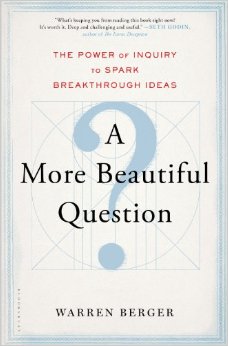
The other day, a friend mentioned that he was reading a great new book, just out, called A More Beautiful Question, by Warren Berger, based on his website of the same name. Berger is a careful student of innovation. And he's discovered something interesting. Creative solutions to longstanding problems often come when someone thinks to ask the right questions.

Berger suggests that we benefit most from asking three types of questions:

Why? What if? How?

For example:

Why do we do things this way? What if we tried a different approach? How could we do it?

Why do we assume that this is the best process? What if we looked at the problem in a new way? How could we implement a new perspective here?

Sometimes, the only thing standing between you and the breakthrough in your life or career that you need is the right question, or set of questions.

So let me ask you something: Why do you take for granted the things that you do? What if you asked more questions? How would you go about this in a productive way?

Today.

PostedSeptember 20, 2014
AuthorTom Morris
CategoriesBusiness, Attitude, Advice, Leadership, Performance
TagsWarren Berger, Tom Morris, TomVMorris, Questions, Business, A More Beautiful Question, Book
Post a comment
Newer / Older

Some things that may be of interest. Click the images below for more!

First up: Tom’s new Silver Anniversary Edition of his hugely popular book on The 7 Cs of Success!

The New Breakthrough Guide to Stoicism for our time.

Tom's new book, out now!
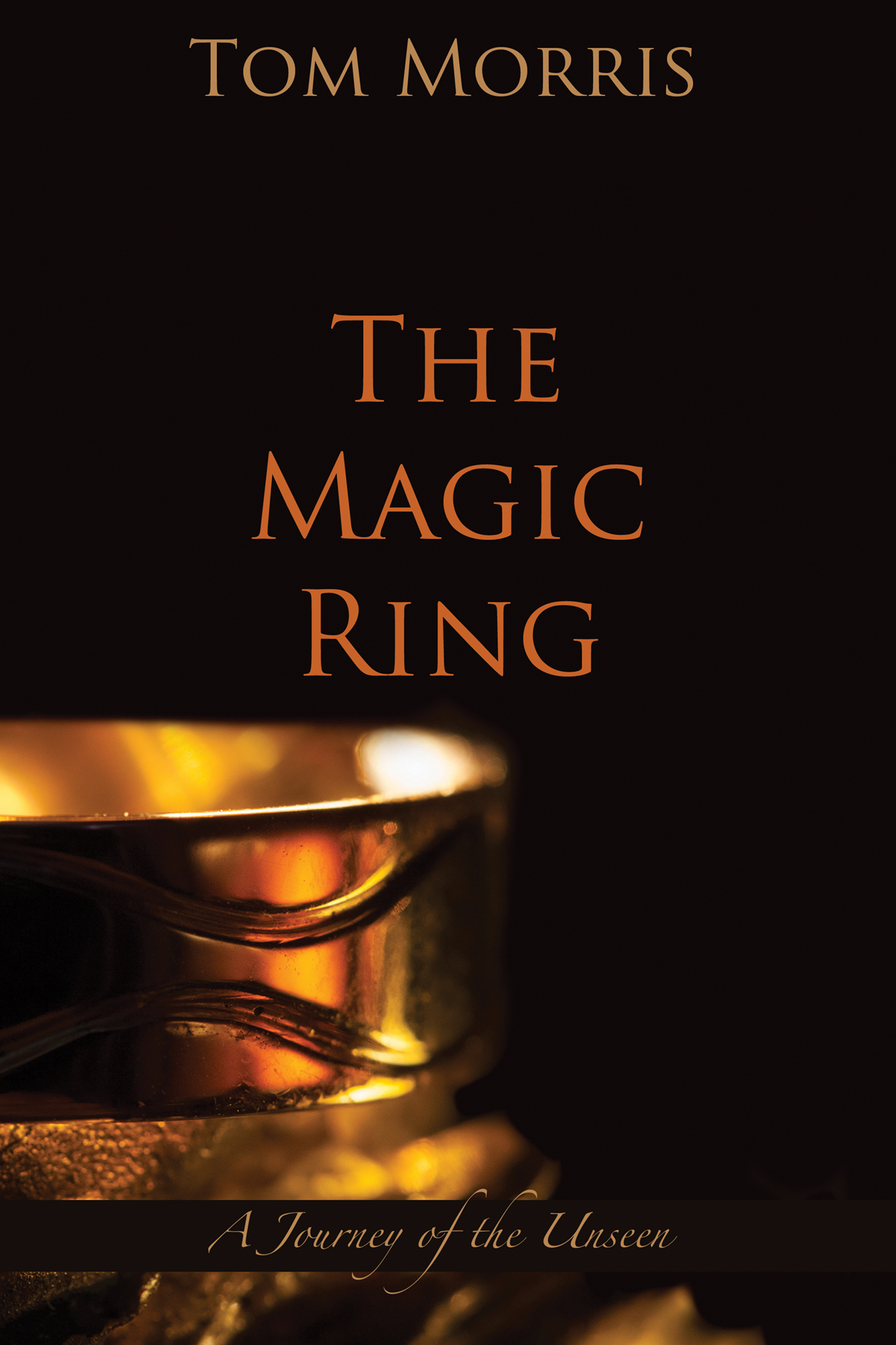
Finally! Volume 7 of the new series of philosophical fiction!

Finally! Volume 7 of the new series of philosophical fiction!

Plato comes alive in a new way!

Plato comes alive in a new way!

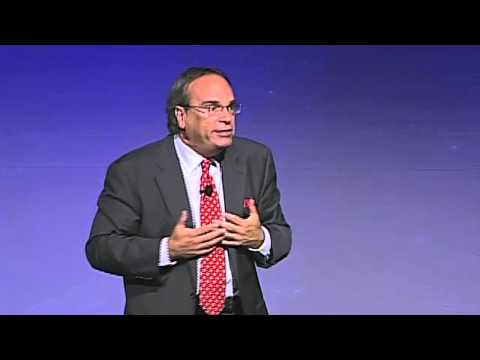
On stage in front of a room full of leaders and high achievers from across the globe.

On stage in front of a room full of leaders and high achievers from across the globe.

My Favorite Recent Photo: A young lady named Jubilee gets off to a head start in life by diving into some philosophy!

My Favorite Recent Photo: A young lady named Jubilee gets off to a head start in life by diving into some philosophy!

Great new Elizabeth Gilbert book on creative living and the creative experience.

Great new Elizabeth Gilbert book on creative living and the creative experience.

Two minutes on a perspective that can change a business or a life.

So many people have asked to see one of my old Winnie the Pooh TV commercials and I just found one! Here it is:

Long ago and far away, on a Hollywood sound stage, I appeared in two network ads for the wise Pooh, to promote his adventures on Disney Home Videos. For two years, I was The National Spokesman for that most philosophical bear. This is one of the ads. I had a bad case of the flu but I hope you can't tell. A-Choo!

One of my newest talk topics is "Plato's Lemonade Stand: Stirring Change into Something Great." Based on the old adage, "When life hands you lemons, make lemonade," this talk is about how to do exactly that. Inquire for my availability through the c…

One of my newest talk topics is "Plato's Lemonade Stand: Stirring Change into Something Great." Based on the old adage, "When life hands you lemons, make lemonade," this talk is about how to do exactly that. Inquire for my availability through the contact page above! Let's stir something up!

Above is a short video on finding fulfillment in anything you do, that was taped a few years ago. I hope you enjoy it!