Follow @TomVMorris
Retreats
Keynote Talks and Advising
About Tom
Popular Talk Topics
Client Testimonials
Books
Novels
Blog
Contact
ScrapBook
Short Videos
The 7 Cs of Success
The Four Foundations
Plato's Lemonade Stand
The Gift of Uncertainty
The Power of Partnership

Tom Morris

Great Ideas. With Power. And Fun.
Retreats
Keynote Talks and Advising
About Tom
Popular Talk Topics
Client Testimonials
Books
Novels
Blog
Contact
ScrapBook
Short Videos
The 7 Cs of Success
The Four Foundations
Plato's Lemonade Stand
The Gift of Uncertainty
The Power of Partnership
Kindness.jpg

On Kindness

Am I centered enough, grounded enough, confident enough and strong enough to be kind? Those who aren't display these other deficiencies for all to see.

Any small act of kindness that I offer another person typically ends up doing me more good than it accomplishes for the recipient. It even seems to be the most reliable path to my own happiness. And in a world that seems not to value it nearly enough, it's simply the right thing, whenever possible, to do and to be.

Therefore, I hereby vow in any situation to think: How can I be kind?

PostedJanuary 7, 2017
AuthorTom Morris
CategoriesAdvice, Life, Wisdom
TagsKindness, Action, Conduct, Behavior, Altruism, Tom Morris, TomVMorris, Wisdom
Post a comment
Philosophy.jpg

Philosophy in Times of Folly

When the world is going crazy and folly envelops us all, philosophy becomes once more what it originally began as: a subversive activity.

To think. To refuse manipulation. To take a stand on truth, or uncertainty, whichever is available. To eschew simplemindedness.

To speak up. To question. To insist on clarity, or at least an open acknowledgment of confusion. To move beyond easy assumption.

To strip away rationalization, deception, illusion, empty rhetoric and callous intellectual laziness. To insist on what's real.

To demand honesty and precision. To show sloppy thinking for what it is. To reveal prejudice and display its utter unworthiness.

There is no greater civic duty required at present than to link hands with Socrates, Plato, and Aristotle and insist on the sharp steel edge of wisdom.

PostedJanuary 4, 2017
AuthorTom Morris
CategoriesAdvice, Wisdom, Philosophy
TagsPhilosophy, Wisdom, Folly, Tom Morris, TomVMorris
Post a comment

What is Life?

What is life? A dream? A great illusion? The analogue of a computer simulation on a cosmic scale? A divine zoo? A gift? An accident? An absurdity? Or ...

Is it an experiment? A training camp? A carnival? A risky adventure? An action and mystery novel full of comedy, romance, and tragedy that we're all trapped in—or perhaps, that we each can help write?

Is it an extravagant test? A noble gesture? A celebration of possibility? A celestial play of primordial fire? A chance at, and a dress rehearsal for, the truly unimaginable, yet to come?

Could it be: Outward Bound for souls? A spiritual garden and surrounding wilderness for the highest form of growth? A place set apart where you can choose to crawl or fly? Is it much more or much less than it seems?

What, then, after all, is life?

PostedJanuary 2, 2017
AuthorTom Morris
CategoriesAdvice, Wisdom, Philosophy
TagsLife, meaning, existence, philosophy, wisdom, Tom Morris, TomVMorris
Post a comment
IsakDinesen

Proper Pride: From Out of Africa

In the great book, Out of Africa, written by author Karen Blixen under the penname of "Isak Denisen," there is a section called “From an Immigrant’s Notebook,” and a short piece within that notebook on pride. Here is an excerpt for your potential pondering.

The neighborhood of the Game Reserve and the presence, outside our boundary, of the big game, gave a particular character to the farm, as if we had been neighbors of a great king. Very proud things were about, and made their nearness felt.

The barbarian loves his own pride, and hates, or disbelieves in, the pride of others. I will be a civilized being, I will love the pride of my adversaries, of my servants, and my lover; and my house shall be, in all humility, in the wilderness a civilized place.

Pride is faith in the idea that God had, when he made us.  A proud man is conscious of the idea, and aspires to realize it.  He does not strive towards happiness, or comfort, which may be irrelevant to God’s idea of him. His success is the idea of God, successfully carried through, and he is in love with his destiny. As the good citizen finds his happiness in the fulfillment of his duty to the community, so does the proud man find his happiness in the fulfillment of his fate.

People who have no pride are not aware of any idea of God in the making of them, and sometimes they make you doubt that there has ever been much of an idea, or else it has been lost, and who shall find it again? They have got to accept as success what others warrant to be so, and to take their happiness, and even their own selves, at the quotation of the day. They tremble, with reason, before their fate.

 Love the pride of God beyond all things, and the pride of your neighbors as your own. The pride of lions: do not shut them up in Zoos. The pride of your dogs: let them not grow fat. Love the pride of your fellow-partisans, and allow them no self-pity.

Love the pride of the conquered nations, and leave them to honour their father and their mother.

PostedDecember 26, 2016
AuthorTom Morris
CategoriesAdvice, Attitude, Wisdom
TagsKaren Blixen, Isak Dinesen, Out of Africa, Pride, Wisdom, Tom Morris, TomVMorris, Philosophy
Post a comment

The Christmas Review of My New Novel, The Stone of Giza

First of all: Merry Christmas to all of you and thank you for reading these little blog posts. I appreciate the chance to think with you about things that matter. I'll have a new nugget for you tomorrow on wisdom. But today, I want to share the nice Christmas gift that came for me today with the first review of my new novel. It starts like this:

Imagine a concoction that's part "Raiders of the Lost Ark," part Harry Potter, part Dan Brown, part Hardy Boys Meets Nancy Drew, with a strong dose of philosophy and ethics.

That might give you an idea of "The Stone of Giza," Wilmington author Tom V. Morris' latest novel in his "Walid and the Mysteries of Phi" series.

A self-described public philosopher, Morris is known for such best sellers as "If Aristotle Ran General Motors." "True Success" and "The Art of Achievement." Lately, though, he's been dabbling in fiction. His "Walid" books serve up a mix of boys' adventure yarn—the hero, Walid, is 13, after all—with a philosophical narrative along the lines of Voltaire's "Candide."

For "Stone of Giza," Morris throws his readers in the deep end ...

The long review ends with the words: "Morris supplies a satisfying adventure story that could appeal to a larger audience." 

Thanks, Ben Steelman and Star News!

The book can be found at: http://amzn.to/2gaAQ1S

PostedDecember 25, 2016
AuthorTom Morris
CategoriesLife, Philosophy, Wisdom
TagsWalid and the Mysteries of Phi, The Stone of Giza, Philosophy, Adventure, Egypt, Tom Morris, TomVMorris, Thomas V Morris
Post a comment
PlatoGoogle.jpg

Fit to Rule

Plato's on book tour. He's at Google for a talk and book signing.

From the recent book of philosophy and fiction, Plato at the GooglePlex, page 73, by Rebecca Goldstein:

<<You know, Plato said, still surveying the room, I spent the better part of my life trying to figure out how to ensure that those who are most fit to rule are the ones who end up ruling. I gave much thought to the question of how to educate rulers so that they wouldn’t fall in love with their own power.>>

Footnote from Republic 521. Socrates: “But what we require, I said, is that those who take office should not be lovers of rule.”

Governance. Leadership. Rule. Those fit for it should not be lovers of it, for its own sake, or for its power, or status, or remuneration, or celebrity, or any other potentially ego-boosting side effect. We need servants who have been arduously prepared throughout their lives to serve at the highest levels. We need philosopher-kings, in Plato's words—meaning wise leaders, intelligent and discerning and empathetic representatives who are willing to take on the duties at the head of the state to protect freedom, enact justice, inspire noble purpose, and help steer the ship properly forward. 

But too many of us don't know what we need.

Just a thought.

PostedDecember 17, 2016
AuthorTom Morris
CategoriesLeadership, Advice, Philosophy
TagsPlato, Plato at the GooglePlex, Rebecca Goldstein, Tom Morris, TomVMorris, Leadership, American Politics, Wisdom
Post a comment
RedSky.jpg

The Oasis Within and Self Examination

I'm so grateful to everyone who's been writing me about my short novel, The Oasis Within and the series it begins. I'm getting two sorts of emails: (1) "I wish I had been able to read a book like this years or decades ago" and (2) "This book has come into my life at the perfect time." I'm sure there are also people with the response (3) "This is an extremely odd book for Tom Morris to write," but so far they're not emailing me or posting perplexed reviews on Amazon. Many readers are asking how I ever came to write such novels at all, set as they are in Egypt in 1934 and 1935. 

I've just come to understand the role that relentless, deep, and difficult self examination played in freeing me up for this great adventure. 

If you had asked me ten years ago about my childhood, I would have sincerely said, "It was great." But that was because I was blocking a lot of the real truth, which was that I had an attractive, young, emotionally damaged mother who had been raised in an orphanage and was determined to live out her frustrated ambitions through her only child, who therefore could not possibly please her. Such damage is never confined to one generation. So if, as a child, I brought home less than excellent grades, war ensued—a scorched earth spiritual Aleppo campaign against the loudly delineated deficiencies of a frightened bewildered little six or eight or ten-year-old. And so I lived for decades unaware of the engines of need buried deep in my psyche. Nothing was ever enough. I couldn't write one article, I had to write fifty. I couldn't have one fountain pen. I needed twenty. Imagine how expensive this could get with BMWs. Until I was one day able to face up to the fact that my constant need for achievement, my continual rushing about, my never being satisfied, might all be due to something that desperately needed attention, and perhaps healing. 

Socrates stressed the importance of self-examination, and when I decided to do it relentlessly, and even with a measure of courage and great pain and glimmers of hope, it cleansed me and freed me from so many inner obstacles that I had not been aware existed. 

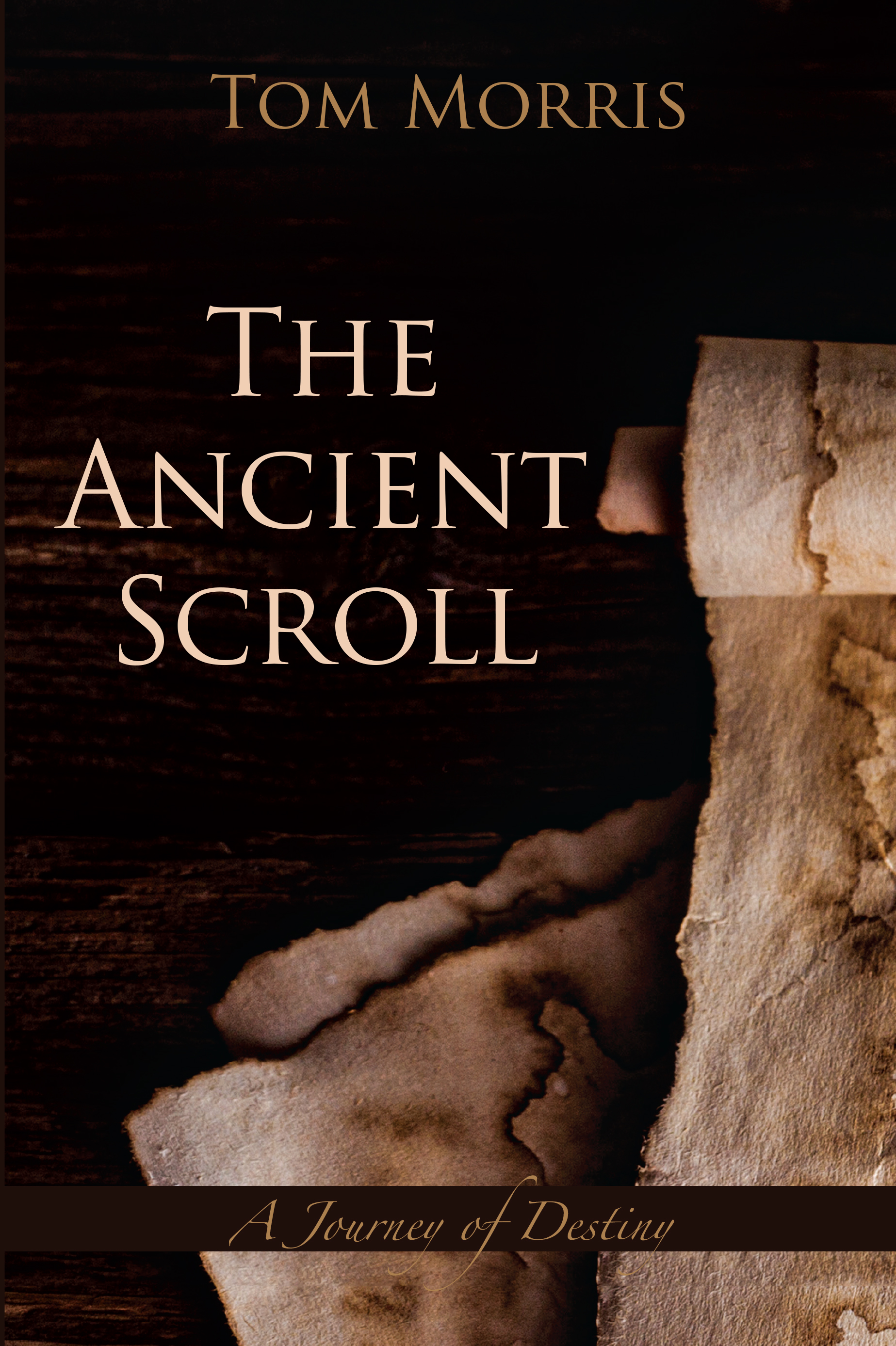
And then my mental movie started to play. it was showing me in living color and surround sound Dolby X the great lessons of life wisdom that went beyond anything I had ever felt or thought. I met young people in Egypt in 1934 and the adults in their lives, and I fell in love with them to the extent that the criminals and revolutionaries who were their enemies caused me great concern for their safety as I wrote and wrote, typing as fast as I could, while the scenes and stories and insights poured over me—the inner visions that, so far, have resulted in eight novels of over a million words, with the first three now in print: The Oasis Within, The Golden Palace, and The Stone of Giza. And I'm already excited about the next installment just months from now, The Viper and The Storm. But I truly can't wait until the one after that, The King and Prince, that taught me some of the deepest lessons of my life. And still the very deepest is in the last that's now written, a book called The Ancient Scroll. There I learned the most powerful lessons about redemption and personal transformation.

I tell you this short and ultimately happy story in case you may have hidden, deeply buried obstacles in your own psyche that need your attention. A program of honest and relentless self examination may just be the thing to free you for your own next adventure, which as I've experience, can be a joy you could never otherwise have even imagined.

www.TheOasisWithin.com

PostedDecember 10, 2016
AuthorTom Morris
CategoriesAdvice, Life, Philosophy
TagsSelf Examination, The Oasis Within, Socrates, Tom Morris, TomVMorris, Novels, Egypt
Post a comment
philosophers-sm.jpg

Philosophy: A Few Thoughts

This has gotten a lot of response on Twitter and Facebook, so I wanted to revisit it here. I hope you enjoy these short ruminations.

Philosophy: A Few Thoughts.

Philosophy is about getting your bearings in this world we've all been dropped into. It's about Wisdom. And that means it’s about Truth. And Beauty. And Goodness. And Unity.

Philosophy can be hard, but all of us are, in a sense, homespun philosophers, trying our best to interpret our experience of this wild, surprising world.

We think of the great philosophers in the past as old, bearded eminences in togas or stiff collars. But they often pondered at young ages and just kept it up.

Philosophy isn’t male or female; young or old; white, or black, or brown. It's all of us seeking to understand our common nature and world.

Philosophy smiles on any of us who will keep it company for a time. It's not great at quick meet-and-greets. It likes to walk with us a while.

Philosophy isn't for show, or profit, or fame. It's the art of living well in any circumstances. It's first inner, then outer in its effects.

Philosophy is an array of habits and skills—of thinking, feeling, and doing. It's not just theory. It's a deep recipe for true flourishing.

Philosophy is a calling, whatever your job. It's a mission of wonder and investigation, curiosity and contemplation, and mostly: perspective.

Philosophy is well acquainted with my better self, and is always wanting to get us together.

I speak of philosophy as if it's singular. But like HipHop, Soul, Rock, Country, and Jazz, it has many manifestations. Yet, they’re all family.

Philosophy has two faces—one fierce, and the other: endlessly compassionate.

Philosophy is: questions in search of answers, in search of questions. And so on. It's the most recursive of discursive endeavors, forever.

Some philosophers build houses of thought. Others stay on the move.

PostedNovember 24, 2016
AuthorTom Morris
Categoriesphilosophy, Wisdom
TagsPhilosophy, Wisdom, Tom Morris, TomVMorris
Post a comment
Hill A and B.jpg

Hill A and Hill B Insight

This past week, I had a new and very different insight connected with a story I’ve told many times. It involved a novel interpretation of a powerpoint drawing I’ve long used to illustrate the story. The point I normally use the drawing to make is the philosophical advice that we should not allow what is very good to keep us from what is best. While a vision of the best should never be an enemy of the good and prevent our enjoyment of it, in its own time, the comfort and proper pride of something good we’ve attained should also not keep us from exploring new heights of achievement. Life is supposed to be a series of adventures. A first good form of success shouldn’t imprison us, but rather empower us to go on and try even higher, or richer, levels of achievement.

The powerpoint slide in question shows two hills, as above, one of medium height and another some distance away that’s of much greater height. I call the shorter one, Hill A, and the taller one, Hill B. And here’s the usual story.

Imagine that you’re on a hike out in the woods and you’re leading a group of people. Suppose you set it as your goal to get to the highest point in the area, from which you’ll be able to survey all the surrounding terrain. And imagine that the highest point you can now see is the peak of Hill A. Whether it’s fog, or mist, or just perspective that blocks any other view, that’s the highest peak you can see from where you are initially. So, in order to attain your goal, you lead the group up Hill A. It’s a struggle. You slip and fall and pull yourselves back up, and finally you get to the top, from which vantage point you can now suddenly see the much higher Hill B. 

At this point in the story, I like to ask: If your goal is to get to the highest point in the area, and you now stand atop Hill A, where you can suddenly see that the highest point is really on Hill B, then what’s the first thing you’ll have to do to attain your true goal? And people inevitably answer, “Go downhill.” And I reply that, yes, they’re right. I also point out that when any leader suggests such a thing, nearly everyone on the team will tend to say or think, “No! It took us a long time to get up Hill A! It’s perfectly fine up here! We’re plenty high! We can see a lot from where we already are! We shouldn’t have to go downhill now at all! We should just stay and enjoy where we are.” It’s nearly universal. Nobody wants to go downhill.

My usual point is that many businesses, individuals, and even families are stuck on their own Hill A, because of the common reluctance to go downhill—which metaphorically represents changing what you’ve just been doing, leaving behind what might be a perfectly good success that you’ve had, and launching into the risk of trying something new and even better. Of course, any new journey will in its initial stage involve getting out of the proverbial comfort zone, and putting yourself into a new position where you’re deserting something good. Because of this, too many companies get stuck in their first form of success and nobody wants to go downhill, which is the only way to change, adapt, and discover new and better forms of achievement. And so the world passes them by. Champions, however, love a challenge, and are open to start the downhill trek as the first and necessary stage in any new and bigger ascent.

The novel insight I just had was simple and revelatory. A panel discussion right before I spoke recently and used this story was on the topic of adversity and overcoming failures in business. I then realized that there’s another way to use my drawing. Many people high up on Hill A get shoved off their place of success by circumstances and are pushed down the side, whether by economic factors they had never anticipated, or the actions of competitors, or changes in the industry. What they were doing and so proud of succeeding at is no longer available, and they find themselves tumbling down the side of Hill A.

Here’s the flash of good news: The sooner you can reframe the descent down Hill A as the first stage in a possible ascent of a higher Hill B, the sooner you turn that downward trajectory into something great: PROGRESS. You’re no longer just tumbling down, you’re moving forward. 

When you set new goals during bad times, you begin to take charge of what you can control, and leave aside what you can’t control. And you can then expand that circle. Tough times can become positive transitions if you make them so. Adversity can contain within itself a gift, and even a momentum that can take you to somewhere great, if you’ll just intervene by reframing your situation and setting new goals. This is stoic wisdom. It’s philosophical insight that you can use. So, whether you’re flourishing or falling, look for the next higher hill, and set a goal to get there.

PostedNovember 13, 2016
AuthorTom Morris
CategoriesAttitude, Business, Wisdom
TagsSuccess, Growth, Adversity, Adventure, Achievement, Tom Morris, TomVMorris, philosophy, wisdom
Post a comment
meditate.jpg

Contentment

Contentment.

Happiness depends on a measure of inner contentment, and also fulfillment. And there are some distinctions here we all need to understand.

Contentment is simply accepting the present as being what it is—letting go of bitterness, resentment, anger, frustration, and the sting of all such negative emotions and attitudes. It doesn't require liking all that's present, or wanting it to continue, or even not planning to work hard to change things radically from being what they are to what they should be. It's merely a shedding of those negative emotions that get us all balled up and unable to move forward productively and well. 

The person with a measure of inner contentment finds things to focus on emotionally that are good, and that can be a basis for renewal and enjoyment and moving forward with whatever hard work needs to be done, A moment, or stretch, of intense discontent can motivate mightily, but extended, it begins to get in the way. You can set your heart with passion to work for a better future without requiring the ongoing fuel of anger or hatred. Those things are inwardly corrosive over time and tend to guide us to replace one unfortunate state of affairs with another, however well intentioned we might be. For more on this, see the history of revolutions.

Contentment says of the unpleasant, unfortunate, and unjust in the moment, "It is what it is." It takes a deep breath, gets back in touch with the best of inner motivations, like love and compassion, and goes to work with that oasis within needed for the longest stretches of travel through any arid desert.

Fulfillment is something different. It's experiencing an ongoing objective realization of your potential, and feeling that inside. It's objective before it's subjective. Whereas contentment is just an inner state, fulfillment is something in the outer world that reflects itself within. Put your talents to work for the good of others as well as yourse. Be a blessing to others. Work hard for justice and goodness and truth. And fulfillment will come, as long as that enemy of lingering discontent doesn't get and stay in the way.

Contentment and fultillment: Two foundations of that deep Aristotelian happiness that promotes excellence and full human flourishing in all things. May you experience both, in even the most trying of times.

PostedNovember 12, 2016
AuthorTom Morris
CategoriesAdvice, Wisdom, Philosophy
TagsHappiness, contentment, fulfillment, joy, peace, the oasis within, Tom Morris, TomVMorris, wisdom, philosophy, life, fear, hurt, anger, hatred, love, compassion
Post a comment
WendellBerry.jpg

Our Actions Matter

Our actions matter. All of them do. And that’s a lesson most often learned from the more unfortunate of our choices, rather than through the better things we produce. 

In the novel, A Place on Earth, by Wendell Berry, a father has long taught his son to farm, and the time has come to turn over a patch of land to the young man to let him plow and plant it on his own. The father is later reminiscing on the event, and ruminating on how much topsoil has been lost over the years to bad decisions—from mistakes he saw his own father make, as well as from his own misjudgments. He then tells what happened with his son:

“Anyhow, Virgil broke his ground farther over the brow of the hill than he should have. Like a boy, you know. Didn’t stop in time. But he got his rows laid off about right, and got his crop out—and I didn’t say anything, hoping he’d have luck and get that mistake free. Thought I’d show him later what he’d done wrong, soon as I could do it without hurting his feelings.

"But there was an awful rain one night after his crop had been out, I guess, two weeks. I heard it begin and lay listening to it, knowing what was bound to be happening. And the next morning I said, ‘Let’s go look at your crop.’ So we went, and walked all the way around it. It was hurt. Bound to have been. There’s no way to plow sideline ground so it’ll hold in a rain like that. ‘Virgil,’ I said, ‘this is your fault. This is one of your contributions to the world.’ That was hard for me to say. And he took it hard. I saw he was about to cry. And bad as I hated to do it, I let it work in him while we stood there and looked. I knew he was hating the day he ever thought of raising a crop, ready to give up. Finally I put my arm around him and I said, ‘Be sorry, but don’t quit. What’s asked of you now is to see what you’ve done, and learn better.’ And I told him that a man’s life is always dealing with permanence—that the most dangerous kind of irresponsibility is to think of your doings as temporary. That, anyhow, is what I’ve tried to keep before myself. What you do on the earth, the earth makes permanent.”

I love the words: Be sorry, but don’t quit. What’s asked of you now is to see what you’ve done and learn better.

We can recover from most mistakes. But the world somehow records them all. And that’s a serious thought. Equally important is the idea that we’ll all make mistakes, and our job then is to keep going, learn, and improve. We’re not here with the expectation of perfection, only with the hope of improvement. Our actions do matter. One way or another, they're all permanent. And we have to live with that fact.

PostedNovember 9, 2016
AuthorTom Morris
CategoriesAdvice, Life, Wisdom
TagsAction, Decisions, Choices, Character, Becoming, growth, the earth, Wendell Berry, A Place on Earth, Tom Morris, Wisdom, Philosophy
Post a comment
Respect.jpg

Respect. Honor. Goodwill. An Election Day Thought.

Respect, honor, and goodwill.

Friends! Remember in all your interactions with others today, the qualities of respect, honor, and goodwill. If the other person doesn't deserve these things, you do deserve them: to respect yourself in word and deed, honor the best within you, and lead the way in goodwill. Neither the weight of the world, nor the demands of national justice should be on your shoulders today. Dig deep. Reach high. Make yourself proud of your own kindness and grace in demeanor, tone, and word.

I've already had to turn the other cheek once this morning. I wanted to tell the guy to kiss that cheek, long and hard. But I didn't. I wished him well and offered a blessing. Remember Polonius and Hamlet, when the prince has just suggested that he treat some men well:

Polonius: My lord, I will use them according to their desert.

Hamlet: God's bodkins, man, much better! Use every man after his desert, and who should 'scape hanging? Use them after your own honor and dignity; the less they deserve, the more merit is in your bounty. Take them in.

Let's set an example today for how a person should act under trying and challenging circumstances. You may hear things that nearly make your blood boil. Overcome them with the power of your inner spirit. That person has likely lost or damaged theirs. You're the one who can set the example. 

Good Wishes for a Great Day. And may God bless America, not in accordance with our merit, but out of the abundance of divine bounty!


PostedNovember 8, 2016
AuthorTom Morris
CategoriesAttitude, Leadership, Wisdom
TagsAmerica, Election Day, voting, Respect, Honor, Goodwill, Tom Morris, TomVMorris
Post a comment
PebbleRipples.jpg

Little Things

Sometimes, it amazes me how little I've been able to accomplish in my 64 years, so far. And that puts things into perspective. I think that if I could live to be 250 or 300 years old, I might be able to get something done and make a real difference for others. But of course, that would depend on medical science giving me its own little boost along the way. Fountain of Youth Researchers out there, get busy. Otherwise, 200 year old philosophers aren't exactly yet known for ongoing beneficial achievements.

Psychologists warn us about comparing ourselves to others. But the real warning should be about comparing our actual life accomplishments, whatever they might be, against the vastness of the possibilities that necessarily elude our grasp. We're always like Sir Isaac Newton, merely playing with a few seashells on the shore while that ocean of potential lies out there, still forever unexplored.

My daughter just did some pumpkin-carving art for Halloween at our house that's really world-class sculpture. I mentioned to her that people should be lining up to pay thousands of dollars for these ephemeral works of art, and she laughed and said that she'd be lucky if more than four people ever see them. I know how she felt. I've written philosophy articles in the technical academic journals like that, hidden away on remote library shelves. But you know, when I reflect on it more, I have to admit that I'm even prepared to write entire books like that. Why not? We do what we do, and we always hope for the best as a result. But the best isn't essentially about changing the world on some grand scale. It could be about delighting one person, or a few. It could be like that mythic little pebble tossed into a huge calm lake and creating its tiny ripples that, at some point unseen, keep going. Whether we toss our small stones out into the lake of life for 30 years, or 90 years, or 300, their ripples may yet go where they are meant to go, and do what they're meant to do, whether we ever see their results, or not. We're never in a good position ourselves to say, at least on this side of the pond. 

So I'll draw a conclusion. It's quite Ok to accomplish little things. Even if it may take a lot longer than you think.

PostedOctober 31, 2016
AuthorTom Morris
CategoriesAttitude, Life, Wisdom
TagsSuccess, Achievement, Age, Life, Tom Morris, TomVMorris, Wisdom, Philosophy
Post a comment
Grace.jpg

Grace: A Quick Sunday Morning Thought.

What is it to embody grace, to be gracious in word and deed? 

It's positioning ourselves alongside the highest and best of what is. It's joy. It's love. And it's our greatest opportunity. There is no ungracious path to real happiness or true success. Grace touches deep in the soul and elevates us in a unique way. It means acting beyond the calculus of merit, with forgiveness and transformative power, demonstrating both nobility and humility in equal measure each day. It's the spirit of living well and abundantly in all good things. It's our calling and chief dignity in the world.

PostedOctober 30, 2016
AuthorTom Morris
CategoriesAdvice, Faith, Life, Wisdom
TagsGrace, Mercy, Success, Happiness, joy, Tom Morris, TomVMorris
Post a comment
Thoughts.jpg

Some Random Thoughts

Courage. It's necessary for all the best things we might do, have, or become. It somehow matters every day.

"Courage is the only soil in which our talents can grow and be used well." Ali, in The Stone of Giza, soon to be published.

Speaking the truth in love. That's one of my favorite phrases in the Bible. And it's a great ideal to aspire to. Both parts are important.

Don't fear being contradicted. Fear only being too incurious to see what's true. Keep your guard down and your mind open to learn well.

Discernment and logical care are vital components of what we call wisdom.

Whatever your work or life might be, a sense of nobility and humility kept in balance will allow a level of greatness otherwise impossible.

The Double Power Principle: Anything with great power for good has equal and opposite power for ill. It's normally up to us how we use it.

The Dual Significance Principle: Any job productive of good can be given a trivial or noble description. Ultimate motivation needs nobility.

When people use a holy book or scriptural quotation to condemn and divide, it makes me sad. There is one Judge, and none of us is that one.

Your inner thoughts can enrich or corrupt you. Nothing else has that power without engaging your thoughts. That means you can choose.

When you have the deepest understanding of life, you come to realize that we're here to help and not harm those around us. Compassion rules.

Good people can make bad mistakes. Let others back into your heart when they learn and recover. You'll need them to do the same for you.


PostedOctober 27, 2016
AuthorTom Morris
CategoriesAdvice, Life, Wisdom
TagsPhilosophy, Wisdom, Courage, Discernment, Tom Morris, TomVMorris
Post a comment
PhilKnight.jpg

Difficulty and Heroic Success

I flew to Austin, Texas recently, after talking to 100 doctors here in town, to speak to 300 bankers and software experts about success in changing times. On the four planes to get there and back, I read the amazing new book, Shoe Dog, by Phil Knight, about the founding of Nike, the great shoe and sports apparel company. Phil experienced more troubles, difficulties, bad surprises, terrible developments and unexpected shocks along the way than I've ever heard about in any business or work story. I told my wife that in every chapter it's almost like being chased by a rabid dog and escaping at the last second only to be hit by a car, having the EMTs come to get you and, on your way to the hospital, the ambulance gets swept away into a raging stream. When you finally get airlifted out of the river and make it to the ER, the building catches on fire around you. That would almost be one of Knight's good days in trying to start his company. And yet he kept plugging away. And he intuitively used a lot of ancient wisdom in his quest.
 
In case you don't know my 7 Cs of Success, or do and yet would benefit from having them in front of you for a moment, here they are.

In any challenge, with any worthy goal, we need:

C1: A clear CONCEPTION of what we want, a goal vividly imagined

C2: A strong CONFIDENCE that we can attain the goal

C3: A focused CONCENTRATION on what it will take to get there

C4: A stubborn CONSISTENCY in pursuing our vision

C5: An emotional COMMITMENT to the importance of what we're doing

C6: A good CHARACTER to guide us and keep us on a proper course

C7: A CAPACITY TO ENJOY the process along the way.

You can see all 7 Cs of Success at play in Phil Knight's heroic responses to awful situations, again and again. For years, he made almost no money and it constantly looked like his fledgling enterprise would go under and he'd lose his home and everything he'd worked for. Then, after fighting more battles than you can imagine, he was able to take the company public. By the end of the book, he was able to change sports in America and even our overall culture in many ways. Plus, he winds up with a personal financial worth of over 10 billion dollars—a result he hadn't even sought.
 
Well, we don't all get that pay-day, for sure, but Phil gives us an amazing example of how to persist and perform, day-to-day, even when things are so challenging that others can't imagine how we continue. It has to come from a strong belief and conviction that we're doing something vital and important, something meaningful that makes a difference. When your talents are matched up with a great quest, incredible things can happen. So be of good cheer, and keep hope alive, as you use the wisdom of the ages to power yourself forward!

PostedSeptember 26, 2016
AuthorTom Morris
CategoriesAttitude, Advice, Leadership, Wisdom
TagsDifficulty, Struggle, Hardship, Obstacles, Success, Achievement, Confidence, The 7 Cs of Success, Tom Morris, TomVMorris, Phil Knight, Shoe Dog
Post a comment
beautiful-garden-1.jpg

Patriotic Citizenship at its Best

A few years ago, after 9-11, when everyone was debating patriotism and what it is, I wrote a little essay called “The Everyday Patriot: How to be a Great American Now” and privately printed it for friends and clients. One of the main themes was that patriotism isn’t about nationalism or xenophobic jingoism. It’s not an us-versus-them mentality. It’s not essentially a polarized form of thinking and feeling at all. Not at its best. It’s rather a matter of cultivating the garden we’re in, for the greater good of all. And it’s about voting every day—with our time, attention, energy, and thoughtfulness. That allows us to vote better when the ballot box is available.

Citizenship isn’t the remote, airy abstraction that it’s come to be for most of us. It’s an essentially participatory role. We’re not supposed to be on the sidelines, appraising those on the field and either cheering in support or booing. We’re supposed to be on the field of action ourselves, engaged in the big game.

Consider what’s going on in Charlotte right now. Patriots don’t riot against their neighbors. Engaged citizens find a way to make their voices heard without ripping up their own gardens and destroying their communities. But we’ve forgotten our civic duties. If we think of government at all, it’s either as a big drain on our resources, almost a necessary evil, or else an institution we can call on for help. But in a democracy, we all are the government at its most fundamental level. That’s the most basic truth of self-government. That’s why I pick up litter when I’m out on a walk. The little things add up. It’s also why I write a representative when I think action needs to be taken. And I don’t do nearly enough. Most of us don’t. We need to cultivate the garden more.

So today, perhaps let yourself dwell on that image. Our garden needs tending. Just remember the old adage: Great gardeners live in beautiful places because they make them so. And go vote every day.

PostedSeptember 22, 2016
AuthorTom Morris
CategoriesAdvice, Wisdom, Philosophy
TagsPatriotism, Citizenship, Voting, Charlotte, Tom Morris, TomVMorris, Wisdom, Philosophy
Post a comment
Blind man.jpg

Our Blindness

We're all blind to something. This election year proves it anew, in case you ever doubted it. But what we're blind to varies, all over the map. We're each self deceived in some way, and we're all vulnerable to the deceptions of others in a related manner. But it all starts within. We're masters of tricking ourselves through the subtle diverting of attention, that easy assumption, a longstanding resentment, an unexpressed hope, or the righteous indignation toward others that often masks our true need to rectify and reform ourselves.

The most self deceived person of all is the one who sees deception only in the lives of others, and never in his or her own heart and mind. To be blind to your own blindness is a most dangerous state indeed.

Our inability to see damages our relationships, our families, and our work. It fractures our communities and threatens our nation, as well as our world. The insight and empathy so desperately needed for a situation just may not be available when something deep occludes your vision.

But our blindness can be healed. And in every case, it's at least at bottom, a spiritual matter. Spirituality is all about depth and connectedness. It's liberated from the superficial or the alienated. It has counterfeits, of course, that are just in the thrall of other things. But true spirituality is free from such blockage, free from the worst forms of blindness, and therefore free for attaining healthy forms of unity. It's connected with others through kindness, compassion, love, and understanding. Jesus taught its necessity. And so have many other great individuals whose lives we most admire.

Plato urged us to leave the dark cave of delusions and dim appearances to journey in search of the light we need. And so did Pascal. In our time, we need their wisdom more than ever.

Amen?

PostedSeptember 10, 2016
AuthorTom Morris
CategoriesAdvice, Life, Philosophy, Wisdom
TagsIntellectual blindness, Spiritual blindness, Prejudice, anger, politics, philosophy, wisdom, Tom Morris, TomVMorris, The Oasis Within, TheOasisWithin.com
Post a comment
FlowersMountain.jpg

What is Existence?

I tend to blog on practical topics. But every now and then, we may benefit from diving deep. I was recently on a public broadcasting radio show where the host launched the hour of talk by asking "What is the meaning of life?" I said something like, "Wow, we're not going to start small here today." And, yeah, in case you're wondering, I told her the answer. But that's for another time.

My favorite Southern novelist asked me this week by email how I would define or characterize existence. And that's quite a question. To define existence is such a bear because, in order to be helpful, definitions have to be in terms of either more fundamental things or more familiar things. And what's more of either than existence? But what you can’t define or analyze into component parts, you can sometimes still elucidate or parse. And I'm willing to give it a try.


So: What is existence? Well. Let's try some things.


Existence is the wild unruliest child of thought, which thinks first itself.
Existence is whatever makes illusion possible.
Existence is the great grandfather of thought.
Existence is the domain encompassing all of necessity and a thin sliver of possibility, stirred and shaken.
Existence is the actualization of all the potential that just could not wait any longer.
Existence is the gossamer veil of reality that floats within the vast emptiness of surrounding nothingness.
Existence is the thick, rich, dense soup of the actual.
Existence is the play of divine creativity.
Existence is the actualized realization of potentiality.
Existence is the most basic quality everything shares, down deep, throughout, and shimmering on the surface.
Existence is the ontological moment, the evanescent bubble of being, the knife’s edge between the future and the past.
Existence is what bricks, dogs, numbers and rainbows have in common.
Existence is etymologically to stand out, to rise above the boiling yet somehow nonexistent abstract cauldron of mere possibility, breaking the thin eggshell of mere potential and emerging, whether for a brief moment or an eternity.
Existence is the sparkling foam from the roiling void beneath.


Existence is the gift of God, but a gift that's in the giver and giving as well as the receiving—that one unique metaphysical gift that calls forth the recipients one and all, inviting us to the party, and bringing us here with love and a fierce hope that we'll make the most of this most spectacular present.

PostedSeptember 9, 2016
AuthorTom Morris
CategoriesWisdom, Philosophy, nature, Life
TagsPhilosophy, Wisdom, Existence, Tom Morris, TomVMorris, Metaphysics
Post a comment
OceanTurbulence.jpg

The Peace of Mind From Living Deeply

Here’s a short conversation I want to share because of its relevance in our current political season. It’s a sneak preview from page 106 in my next book, The Stone of Giza, that’s due out soon, in November. The setting is 1934 in Cairo, Egypt. Thirteen year old Walid and his best friend, the younger but precocious Mafulla, are having breakfast together and talking. You may or may not yet know these characters from the previous books, The Oasis Within and The Golden Palace.

The boys have been talking about the Greek philosophers and their insights about life. The topic of superficiality has come up, and by contrast, what it’s like to live more deeply than just skimming the surface of life.

Walid is in mid-thought when he says:

“I had a talk with Uncle Ali once when he said that maybe life is toughest on the surface and much less difficult for those who live more deeply. It’s like what people say about the ocean.”

“What?”

“That there can be huge waves and churning on the surface, but deep down it’s calm.”

“Oh?”

“Yeah. The storms happen on the surface, but not far down below.”

“Oh, yeah. Ok. I see what you’re saying. Maybe people who live more deeply feel the troubles of life less and so have less need for trivial relaxations.”

“Yep. That’s what I’m thinking.”

“So it’s living superficially that wears people out because that’s where all the turbulence is.”

“Yeah.”

“And whenever the surface dwellers do confront anything hard or challenging and try to understand it, however little time they end up spending on that philosophical quest, they just don’t do it right—they don’t know how to because they’re out of their depth—and even a little bit of that sort of thought wears them out completely. And then they go running to something really trivial or superficial for rest.”

Walid pondered this for a moment. “I think you’re right. People who don’t ordinarily live life deeply can get all worked up about the least thing when they’re talking religion or politics or philosophy or life. They get all stressed and emotionally wear themselves out for no good reason. It’s like they think they have to protect themselves by either pushing away the issues or else really defending their opinions, whatever they might be. They get all resistant and hostile, and that’s always exhausting.”

Mafulla nodded and said, “It can get emotional pretty fast.”

Walid continued, “People who act that way just don’t realize that you sometimes have to relax into the search for truth, open your mind, and be ready to embrace a new sense of reality.”

“Good point.”

“There’s no reason to be afraid of new perspectives and new truth. Living in the truth is the best protection of all, the safest thing there is. And anyone who can help me do that, maybe by opening my eyes, or helping me change and correct wrong beliefs or attitudes—that person does me a great favor. And I can’t benefit from others in this way unless I relax a little and listen and really open my mind.”

Mafulla replied, “Yeah, it’s a bit like what Masoon says about judo and using energy in a fight.”

“What do you mean?”

“When someone comes at you, sometimes the best move is to relax and lie back and let the blow develop—don’t resist it, don’t meet it with more force, but let it play out, and then see what’s next. People often debate deep issues in religion and philosophy like they’re fighting for their lives and they’ve got to be tense and forceful, or they just get mad and walk away.”

“That’s true.”

“The strange thing is that it would often be best for them not to do any of that at all, but to be open and allow the new ideas to come, and let them develop and play out and then see what’s next.”

“Yeah. And there’s another thing about the Greeks and us.”

“What?”

“Lots of people, at least as adults, just seem to have no genuine curiosity about the world. The ancient Greeks were wide-open curious about everything.”

“You got that right, my very curious friend and fellow philosopher.”

“Thanks. If people would just let us, we could set them all straight real quick.” Walid looked serious and then grinned.


PostedSeptember 5, 2016
AuthorTom Morris
CategoriesAdvice, Attitude, Life, Wisdom
TagsWisdom, The Spirit, Depth, superficiality, philosophy, religion, politics, anger, hostility, ideas, curiosity, Tom Morris, TomVMorris, The Oasis Within, The Golden Palace, The Stone of Giza, Walid, Mafulla, Ali
Post a comment
Newer / Older

Some things that may be of interest. Click the images below for more!

First up: Tom’s new Silver Anniversary Edition of his hugely popular book on The 7 Cs of Success!

The New Breakthrough Guide to Stoicism for our time.

Tom's new book, out now!
Finally! Volume 7 of the new series of philosophical fiction!

Finally! Volume 7 of the new series of philosophical fiction!

Plato comes alive in a new way!

Plato comes alive in a new way!

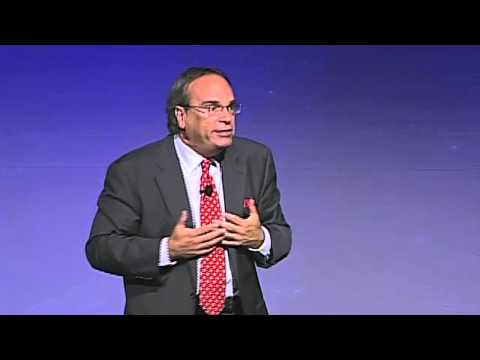
On stage in front of a room full of leaders and high achievers from across the globe.

On stage in front of a room full of leaders and high achievers from across the globe.

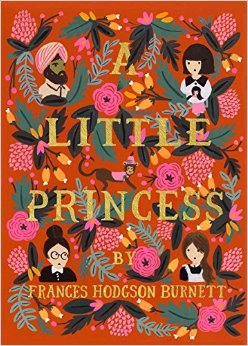
Maybe, my favorite book of all time. Published in 1905, it's a charming and compelling tale about the power of the imagination and simple kindness in dealing with great difficulties. You'll love it. Click the cover to find it on Amazon!

Maybe, my favorite book of all time. Published in 1905, it's a charming and compelling tale about the power of the imagination and simple kindness in dealing with great difficulties. You'll love it. Click the cover to find it on Amazon!

My favorite photo and quote from the first week of my new blog:

I'll Rise Up and Fly.

My Favorite Recent Photo: A young lady named Jubilee gets off to a head start in life by diving into some philosophy!

My Favorite Recent Photo: A young lady named Jubilee gets off to a head start in life by diving into some philosophy!

Great new Elizabeth Gilbert book on creative living and the creative experience.

Great new Elizabeth Gilbert book on creative living and the creative experience.

The back flap author photo on the new book The Oasis Within.

The back flap author photo on the new book The Oasis Within.

Something different. Paola Requena. Classical guitar. Sonata Heróica.

Two minutes on a perspective that can change a business or a life.

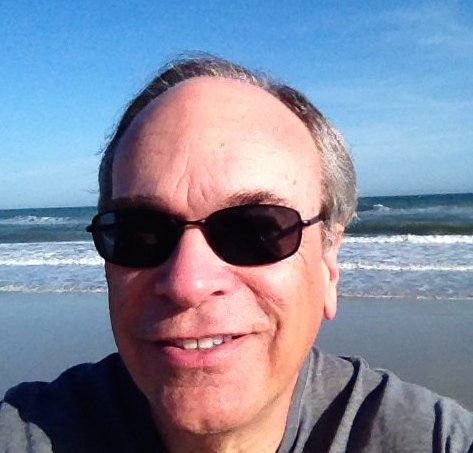
On the beach where we do retreats, February 16, 2018, 77 degrees. Philosophy in shorts and a T shirt done right.

On the beach where we do retreats, February 16, 2018, 77 degrees. Philosophy in shorts and a T shirt done right.

So many people have asked to see one of my old Winnie the Pooh TV commercials and I just found one! Here it is:

Long ago and far away, on a Hollywood sound stage, I appeared in two network ads for the wise Pooh, to promote his adventures on Disney Home Videos. For two years, I was The National Spokesman for that most philosophical bear. This is one of the ads. I had a bad case of the flu but I hope you can't tell. A-Choo!

Now, for something truly unexpected:

Five Years ago, a friend surprised me by creating an online shop of stuff based on my Twitter Feed. I had forgotten all about it, but stumbled across it today. I should get this shirt for when I'm an old man, and have my home address printed on the …
Five Years ago, a friend surprised me by creating an online shop of stuff based on my Twitter Feed. I had forgotten all about it, but stumbled across it today. I should get this shirt for when I'm an old man, and have my home address printed on the back, along with, "Return if Found." Click to see the other stuff! I do love the dog sweaters.

Cat videos go philosophical. The now famous Henri Le Chat Noir, existential hero. Click image for the first video I saw and loved.

Cat videos go philosophical. The now famous Henri Le Chat Noir, existential hero. Click image for the first video I saw and loved.

Another Musical Interlude. Two guys with guitars, one an unusual classical seven string, one a bass, but playing chords.

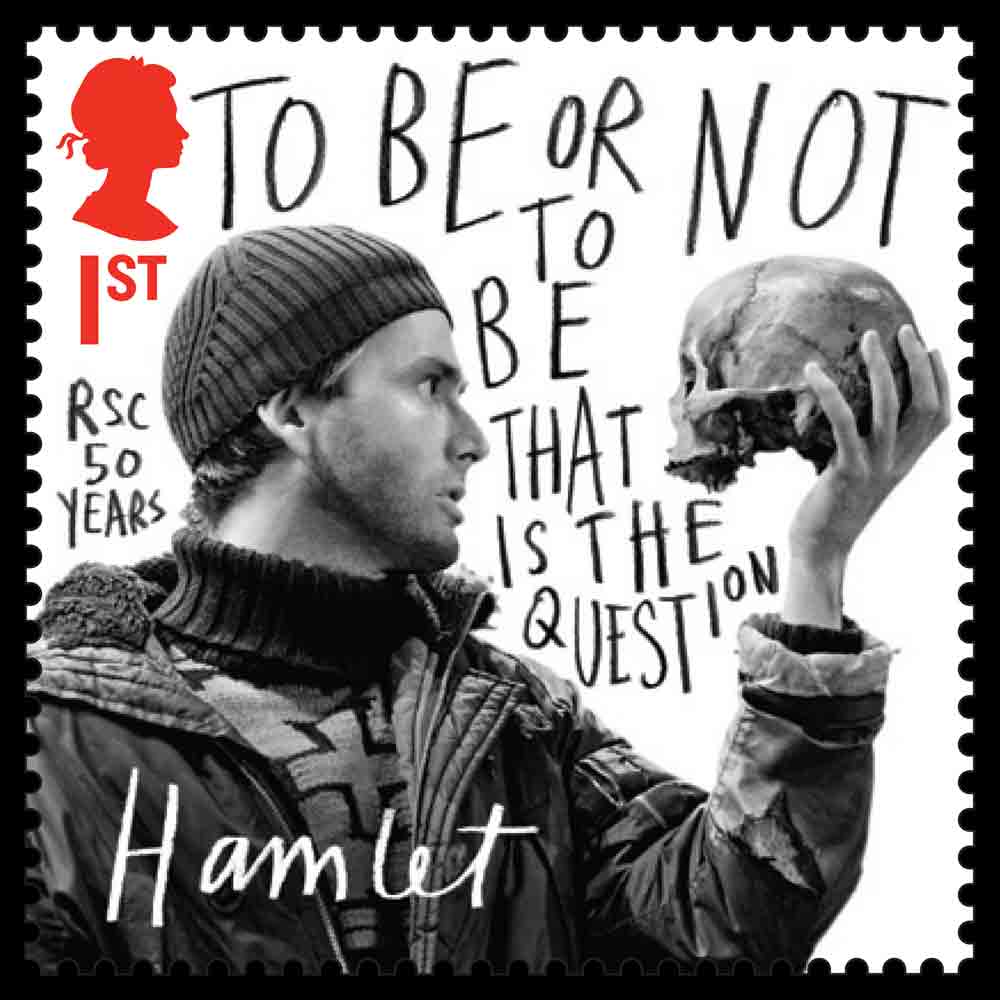
I memorized the "To be or not to be" soliloquy from Hamlet months ago, and recite it nearly daily. It's longer than you think, and is a powerful meditation on life and motivation, fear, and the unknown. To find some good 3 minute videos of actors pe…

I memorized the "To be or not to be" soliloquy from Hamlet months ago, and recite it nearly daily. It's longer than you think, and is a powerful meditation on life and motivation, fear, and the unknown. To find some good 3 minute videos of actors performing these lines, click here. Watch Branaugh and Gibson for very different takes.

This is a book I read recently, and it's one of the best I've read in years on happiness and success. Shawn helped teach the famous Harvard course on happiness, and brings the best of that research and more into this great book. Click on it. I think…

This is a book I read recently, and it's one of the best I've read in years on happiness and success. Shawn helped teach the famous Harvard course on happiness, and brings the best of that research and more into this great book. Click on it. I think you'll like it!

A favorite performance of the great Brazilian bossa nova song Wave, by Tom Jobim. Notice Marjorie Estiano's fun, the older guitarist's passion, the flutist's zen. Marjorie's little laugh at the end says it all. That should be how we all feel about our work. Gladness. Joy.

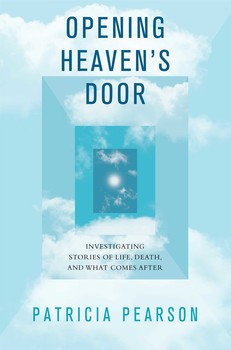
I happened across this great book on death and life after death. Because of some uncanny experiences surrounding the death of her father and sister, this journalist began to research issues involving death. Her conclusions are careful and well docum…

I happened across this great book on death and life after death. Because of some uncanny experiences surrounding the death of her father and sister, this journalist began to research issues involving death. Her conclusions are careful and well documented. If you're interested in this topic, you'll find this book clear, fascinating, and helpful. A Must Read! For my recent conversation with the author on HuffPo, click here.

Henri discovers the first book about his unique philosophical ponderings. Click image for the short video.

Henri discovers the first book about his unique philosophical ponderings. Click image for the short video.

My favorite website to visit nearly every day. Maria Popova may read more and write more than any other human being on earth, and her reports are always amazingly interesting. This is really brain candy, but with serious nutritional benefits as well…

My favorite website to visit nearly every day. Maria Popova may read more and write more than any other human being on earth, and her reports are always amazingly interesting. This is really brain candy, but with serious nutritional benefits as well. Visit her often!

One of my newest talk topics is "Plato's Lemonade Stand: Stirring Change into Something Great." Based on the old adage, "When life hands you lemons, make lemonade," this talk is about how to do exactly that. Inquire for my availability through the c…

One of my newest talk topics is "Plato's Lemonade Stand: Stirring Change into Something Great." Based on the old adage, "When life hands you lemons, make lemonade," this talk is about how to do exactly that. Inquire for my availability through the contact page above! Let's stir something up!

A frequent inspiration. Monday, 30, April 2012. Sarah Brightman and Andrea Bocelli perform "Time to Say Goodbye." Notice how they indwell the lyrics, and still manage to relate to each other so demonstratively.

My friend Bill Powers writes on how to handle the technology in your life and stay sane. A beautiful meditation on how we've always struggled with the new new thing, and sometimes win. Recommended!

My friend Bill Powers writes on how to handle the technology in your life and stay sane. A beautiful meditation on how we've always struggled with the new new thing, and sometimes win. Recommended!

Above is a short video on finding fulfillment in anything you do, that was taped a few years ago. I hope you enjoy it!

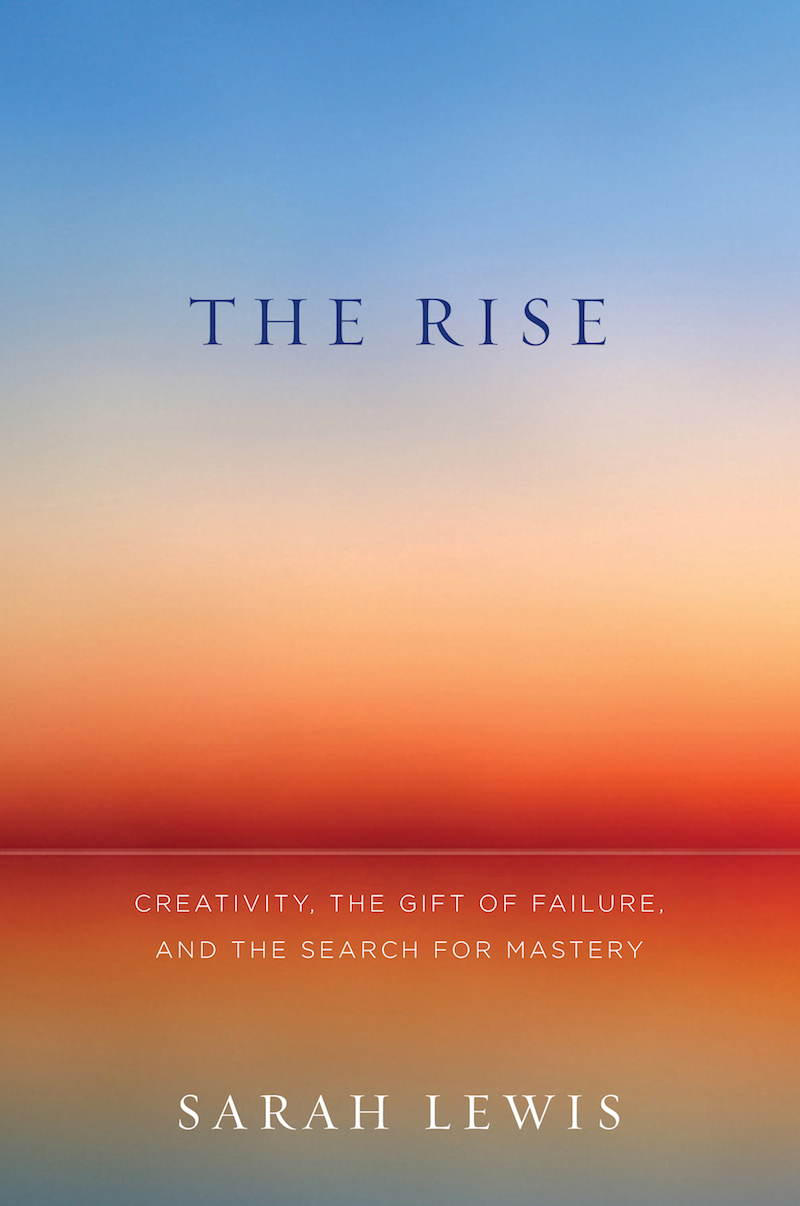
This is a beautiful and difficult book on the odd relationship between repeated failure and eventual success. It's full of great stories and moments of meditation. You will find yourself teasing out the insights, but they're powerful and worth the w…

This is a beautiful and difficult book on the odd relationship between repeated failure and eventual success. It's full of great stories and moments of meditation. You will find yourself teasing out the insights, but they're powerful and worth the work.

One of the best books in the past year or more, G&amp;T is a wonderful look at how givers can rise high. Grant is the youngest tenured professor at Wharton and its most popular teacher. Here, he shows why! A really good book.

One of the best books in the past year or more, G&T is a wonderful look at how givers can rise high. Grant is the youngest tenured professor at Wharton and its most popular teacher. Here, he shows why! A really good book.